Sunday, April 08, 2018

1 Sem 2018 - Part Eleven

Bobo Stenson Trio
Contra La Indecisión


By Karl Ackermann
With a few exceptions, Swedish pianist Bobo Stenson has spent his long recording career with the prestigious ECM label, dating back to his oddly named Underwear in 1971. That particular album turned out to be more a showcase for bassist Arild Andersen and drummer Jon Christensen than for Stenson, and the pianist did not lead again on the label for twenty years. Stenson was hardly absent from Manfred Eicher's iconic label in those intervening years, appearing as a sideman for Don Cherry, Jan Garbarek, Tomasz Stanko and Charles Lloyd. On Contra La Indecision, Stenson reconvenes the trio that last issued the 2012 release Indicum.
Stenson and double bassist Anders Jormin have a three-decade history beginning with a mutual association with saxophonist Lenart Åberg. It was the pair's contribution to Lloyd's Notes from Big Sur (ECM, 1992) that brought both to prominence. Percussionist Jon Fält is the youngster in the trio—still in his thirties, he has mostly played with well-known artists inside of Sweden; his initial recording being Indicum.
Jormin is credited with five of the seven original compositions on Contra La Indecision. The album opens with Cuban guitarist Silvio Rodríguez's "Canción Contra La Indecisión" (Song Against Indecision), a light and catchy piece, ironically, from a composer known for his literary seriousness. Erik Satie's familiar "Élégie" begins quietly before Stenson moves it to a bright and punchy treatment with the rhythm section adding subtle, intricate textures. Béla Bartók's "Wedding Song From Poniky" is a beautiful rendition of the jovial original and features a pair of brief, but excellent, solos from Jormin. The bassist's own composition "Three Shades of a House" provides him with more opportunity in the form of an extended intro solo. The piece briefly veers toward abstraction when Jormin picks up the bow, but it doesn't stray far from the overall charm of the melody. "Stilla" has a rambling bluesy quality with an intriguing dialog between Stenson, Jormin and Fält.
Stenson's strong suits have always been his playing—his mastery of the measured build up—and his talent for arraigning other's compositions to put a unique stamp on each. His blending of classical, jazz and folk influences and uncommon time signatures has led to comparisons (not necessarily precise ones) with Keith Jarrett and Brad Mehldau. Stenson's own style is easily recognizable and is especially well-served in the company of Jormin and Fält. Not all of Stenson's work has the bursts of color that we hear in Contra La Indecision and that makes it one of his most interesting albums to date.
Track Listing: 
Cancion contra la indecision; Doubt Thou the Stars; Wedding Song from Polinky; Three Shades Of a House; Elegie; Cancion y Danza VI; Alice; Oktoberhavet; Kalimba Impressions; Stilla; Hemingway Intonations.
Personnel: 
Bobo Stenson: piano; Anders Jormin: double bass; Jon Falt: drums.


David Rees-Williams Trio
Time Scape


By John Fordham
David Rees-Williams follows up his best selling second CD with "Time Scape" featuring a lovingly maintained 1931 Steinway grand piano,lovingly played.The trio is completed by Neil Francis on electric bass and Phil Laslett on drums.Think Jacques Loussier and then some.The album includes compositions spanning four centuries from,among others, Purcell, Bach, Ravel and Watlock."David Rees-Williams is an accomplished pianist whose repertoire contains some of the most eloquent themes ever composed in Europe, the group recalled the Modern Jazz Quartet's meticulous relaxation.


Tomás Improta
Olha Pro Céu



Por Anderson Nascimento
Com mais de 45 anos de carreira, o músico Tomás Improta chega ao seu 10° disco solo, gravado entre novembro de 2015 e abril de 2016, apresentando novas e velhas canções.
O pianista abre o disco com “Olha Pro Céu”, canção de Tom Jobim, também escalada para abrir o disco, enquanto a sequência traz “Risque” de Ary Barroso, em versão cativante. Entre os artistas relidos estão ainda Edu Lobo e Torquato Neto, Heitor Villa-Lobos e Cole Porter.
O disco se concentra no piano do Tomás, com poucas participações especiais, a saber, o contrabaixista Tony Botelho na canção “Silvestre: Nascente do Rio Carioca” (Tomás Improta) e Gabriel Improta, seu filho, em “I Concentrate on You” (Cole Porter). Este fato contrasta com o seu álbum anterior “A Volta de Alice” (2015), repleto de músicos e texturas diferentes.
Embora esbanje bom gosto ao longo de todo o álbum, alguns dos melhores momentos são a lindíssima “Poema Singelo” (Heitor Villa-Lobos) e “Karen B.” (Tomás Improta), faixa que fecha o disco transmitindo um clima radiante.
Com produção do próprio artista, “Olha Pro Céu” é um disco que vai agradar em cheio aos amantes do piano, já que neste disco ele reina soberano, juntamente com o talento de Tomás Improta, claro.


Gilson Peranzzetta
Tributo a Oscar Peterson


By Mauro Ferreira
Três meses após ter lançado em janeiro um álbum gravado ao vivo em show com Ivan Lins, Cumplicidade (2018), o pianista, compositor e arranjador carioca Gilson Peranzzetta já apresenta outro disco. Tributo a Oscar Peterson chega ao mercado fonográfico em abril pela mesma gravadora, Fina Flor, que editou o álbum ao vivo de Peranzzetta com Ivan.
Como o título Tributo a Oscar Peterson já explicita, o CD solo de Peranzzetta celebra o legado do pianista canadense de jazz Oscar Emmanuel Peterson (15 de agosto de 1925 – 23 de dezembro de 2007), músico prodígio celebrado pela destreza e velocidade no toque do piano.
Embora a extensa discografia desse pianista de técnica exuberante seja formada essencialmente por álbuns em que o músico priorizou a interpretação de obras alheias, Peterson também foi compositor, registrando eventualmente músicas próprias ao longo de obra fonográfica que atingiu picos de produção entre as décadas de 1950 e 1970.
Na capa do álbum Tributo a Oscar Peterson, Gilson Peranzzetta é visto em foto de Aloizio Jordão.

Friday, April 06, 2018

Cecil Taylor ( 1929 - 2018 )


By Ben Ratliff

Cecil Taylor, a pianist who challenged the jazz tradition that produced him and became one of the most bracing, rhapsodic, abstract and original improvisers of his time, died on Thursday at his home in Brooklyn. He was 89.
His death was confirmed by his legal guardian, Adam C. Wilner. No cause was given, but friends said he had been in failing health for some time.
Mr. Taylor wrote music, led bands and for decades worked, as many jazz musicians do, in nightclubs and at festivals. But from early on he seemed to have much greater goals.
He was a supreme example of an uncompromising artist, arguing — mainly through his work, but in principled and prickly interviews as well — against reductive definitions of what a musician of his training and background could or should do.
For Mr. Taylor, a small and vigorous man who in his prime wore athletic clothing onstage — as if to confirm the notion that the audience was watching a physical workout — albums weren’t merely recording sessions and performances weren’t merely gigs
At the center of his art was that dazzling physicality and the percussiveness of his playing — his deep, serene, Ellingtonian chords and hummingbird attacks above middle C — which held true well into his 80s.
But in concert he also recited his own poems, whose enjambed lines might describe Aztec architecture, paleoanthropology, crocodile reproduction or a woman’s posture. His motions around the instrument and the bandstand were a part of his performance too.
In his system of writing music, working with bands and performing, he was concerned with what he called, in a 1971 interview with the writer Robert Levin, “black methodology”: oral traditions, music as embodied celebration and spiritual homage.
Classically trained, he valued European music for what he called its qualities of “construction” — form, timbre, tone color — and incorporated them into his own aesthetic.
“I am not afraid of European influences,” he told the critic Nat Hentoff. “The point is to use them, as Ellington did, as part of my life as an American Negro.”
In a long assessment of Mr. Taylor’s work — one of the first — from “Four Lives in the Bebop Business,” a collection of essays on jazz musicians published in 1966, the poet and critic A. B. Spellman wrote:
“There is only one musician who has, by general agreement even among those who have disliked his music, been able to incorporate all that he wants to take from classical and modern Western composition into his own distinctly individual kind of blues without in the least compromising those blues, and that is Cecil Taylor, a kind of Bartok in reverse.”
Because his fully formed work was not folkish or pop-oriented, did not swing consistently (often it did not swing at all) and never entered the consensual jazz repertoire, Mr. Taylor could be understood to occupy an isolated place. Even after he was rewarded and lionized — he was given a Guggenheim fellowship in 1973, a National Endowment for the Arts Jazz Masters award in 1990, a MacArthur fellowship in 1991 and the Kyoto Prize in 2014 — his music was not easy to quantify.
If improvisation means using intuition and risk in the present moment, there have been few musicians who took that challenge more seriously than Mr. Taylor. If one of his phrases seemed of paramount importance, another such phrase generally arrived right behind it. The range of expression in his keyboard touch encompassed caresses, rumbles and crashes.
He was capable of performances full of stillness and awe, suggesting a kind of physical movement through musical phrases, as on the unaccompanied “Pemmican” (from the 1981 live recording “Garden”). Or he could go on full attack, as on “Taht” from the 1984 album “Winged Serpent (Sliding Quadrants)” — his fingers hammering and flying across the keys and breaking through the sound of a polytonal, polyrhythmic 11-piece band.
Some of his greatest musical relationships were with drummers, among them Max Roach, Elvin Jones, Sunny Murray and Ronald Shannon Jackson.
A Mother’s Influence:
Cecil Percival Taylor was born in Long Island City, Queens, on March 25, 1929, and grew up about four miles away, in Corona. His father, Percy, originally from North Carolina, was a chef for Dr. John Kindred, president of the River Crest Sanitarium in Corona. Growing up, Cecil revered his mother, the former Almeida Ragland, for her learning and her high standards. She spoke French and German, took him to see Bill Bojangles Robinson and Ella Fitzgerald, and suggested that he read Schopenhauer.
Acknowledging his desire to become a musician, rather than pursuing one of the careers she preferred for him — doctor, lawyer or dentist — his mother insisted that he practice the piano six days a week, then do what he wanted on Sunday. “That’s when the organization of my music began, when she wasn’t looking,” Mr. Taylor said in an interview in the literary journal Hambone.
She died of cancer when he was 14.
Mr. Taylor studied piano at the New York College of Music in Manhattan and, in the early 1950s, moved to Boston, where he had relatives, to attend the New England Conservatory.
While studying piano, arranging, harmony and solfège notation there, he started going to jazz clubs, which he said helped him develop ideas about his music more than anything he learned in school. He prized Ellington for his orchestral approach to the piano and Horace Silver for his rough, vernacular energy; he saw Charlie Parker, Bud Powell, Sarah Vaughan and the relatively little-known pianist Dick Twardzik, all of whom would contribute to his conception of music, as did Stravinsky.

(The answer to the question of what music gave rise to Mr. Taylor, and what he liked to listen to, would encompass all those names as well as Marvin Gaye, Gyorgy Ligeti, Betty Carter, Judy Garland and Thelonious Monk. The Spanish architect Santiago Calatrava and the flamenco dancer Carmen Amaya had also influenced him to think about structure, movement and time, he said.)
Back in New York, Mr. Taylor formed groups with the vibraphonist Earl Griffith and the soprano saxophonist Steve Lacy. In 1956, with a quartet rounded out by Mr. Lacy, the bassist Buell Neidlinger (who died on March 16) and the drummer Denis Charles, he made his first album, “Jazz Advance.” Featuring standards as well as his own compositions, it was produced by Tom Wilson, who later worked with Bob Dylan, the Mothers of Invention and the Velvet Underground. The quartet played at the Newport Jazz Festival the next year, a performance released by Verve Records as one side of an album. (The other side featured a group led by the alto saxophonist Gigi Gryce and the trumpeter Donald Byrd.)
Mr. Taylor’s music at that time was steadily swinging and fit recognizably within the modern jazz idiom — its spiky phrases had a clear connection to Monk’s — but it was also already moving beyond it. “Tune 2,” for example, from the Newport record, had an 88-bar form, a long way from the 32-bar song structure more commonly used in jazz.
He went further in that direction on the 1958 record “Looking Ahead!,” then recorded a session, originally issued as “Hard Driving Jazz,” with an ad hoc group, put together by Mr. Wilson, that included John Coltrane.
With renown came a particular kind of scrutiny. In 1959, Gunther Schuller devoted a long essay in The Jazz Review to the question of whether Mr. Taylor’s music was atonal.
“Listening carefully to his playing leaves no doubt of the fact that Taylor indeed does think tonally, but the result of his thinking most of the time cannot be analyzed on tonal terms,” he wrote.
Whitney Balliett of The New Yorker described a crowd reacting to Mr. Taylor’s performance at the Great South Bay Jazz Festival on Long Island in 1958: A few were mesmerized, he wrote, while others “fidgeted, whispered and wandered nervously in and out of the tent, as if the ground beneath had suddenly become unbearably hot.”
By 1961, given the chance to contribute half the music on an album under the arranger Gil Evans’s name (the other half showcased the composer Johnny Carisi), Mr. Taylor played only original music: striking pieces with shifting tempos and splintering melodic lines.
The next year he formed a bond with the alto saxophonist Jimmy Lyons, who would work with him for more than 20 years; the two were the core of the Cecil Taylor Unit, a group with an otherwise shifting membership. (Mr. Lyons died in 1986.)
By 1966, when he recorded the album “Unit Structures” for Blue Note, Mr. Taylor was forming a syntax where none had existed. He was using blues tonality and dissonance in his improvisations and original structures in his written music, organized in ways that were not traditional for jazz, even for the relatively new avant-garde sort with which he was generally associated.
In one piece on “Unit Structures,” titled “Enter Evening,” piano, oboe, alto saxophone and bass play staggered and unresolved melodic lines that refer to one another only in a distant sense, coming together loosely only in places. There is percussion, but no steady rhythm.
It wasn’t the technique and feeling of jazz that Mr. Taylor was rejecting, only its form: the 32-bar song, the theme-solos-theme progression.
Instead, his structures often proceeded sequentially, shifting among motifs and tonal centers. When he used written scores for his musicians, melodies were indicated by note letters, but there were no staves or bar lines; this gave musicians more freedom within his music, and, he decided, more investment in it.
“When you think about musicians who are reading music,” he said in “All the Notes,” a 1993 documentary directed by Chris Felver, “my contention has always been: The energy that you’re using deciphering what the symbol is is taking away from the maximum creative energy that you might have had if you understood that it’s but a symbol.”
There was no academy for what Mr. Taylor did, and partly for that reason he became one himself, teaching for stretches in the 1970s at the University of Wisconsin, Madison, and at Antioch College in Ohio. (He was given an honorary doctorate by the New England Conservatory in 1977.) Not until the mid-1970s, Mr. Lyons told the writer John Litweiler, did the Cecil Taylor Unit have enough work that the musicians could make a living from it — mostly in Europe.
Solos and Duos
During this time Mr. Taylor was giving a lot of solo-piano performances, a practice he started around 1967 and refined through albums like “Indent” (1973), “Fly! Fly! Fly! Fly! Fly!” (1980) and “For Olim” (1986).
He would occasionally perform in a duo with another improviser: pared-down and sometimes jarring situations if the other performer pushed too hard against Mr. Taylor. Those pairings led to a clashing concert with the swing-era pianist Mary Lou Williams in 1977; memorable performances with Max Roach in 1979, 1989 and 2000; and collaborations with the Japanese butoh dancer Min Tanaka. In 1979, he collaborated with the dancers Mikhail Baryshnikov and Heather Watts on a short ballet.
In the summer of 1988, Mr. Taylor played a series of concerts in East and West Berlin — solo, in duos and with groups of various sizes — which were released on the FMP label as an 11-CD set, “Cecil Taylor in Berlin ’88.”
Since 1983, Mr. Taylor had lived alone in a three-story home in the Fort Greene section of Brooklyn. During that time he would perform occasionally in nightclubs, but more often in theaters or even museums around the world.
In 2014, a contractor working on his house, Noel Muir, bilked him out of nearly all of the $500,000 that Mr. Taylor had received for the Kyoto Prize; Mr. Muir was sentenced to one to three years in prison.
No immediate family members survive.
As uncompromising as Mr. Taylor could be, many musicians bear his influence, directly or by general example; a list of pianists alone would include Marilyn Crispell, Vijay Iyer, Craig Taborn, Chucho Valdés and Jason Moran.
In 2016, the Whitney Museum of American Art in New York organized a two-week exhibition and residency dedicated to Mr. Taylor; it featured panel discussions, a play, films, dance performances, displays of his written scores and live music. He performed at the beginning and end of the event, playing piano and reading poetry, with Mr. Tanaka and with various ensembles. It was an ambitious attempt to take the full measure of Mr. Taylor as an artist who would not be held to the conventions of any one discipline.
“What I am doing,” he said in 1994, “is creating a language. A different American language.”

Saturday, March 31, 2018

1 Sem 2018 - Part Nine

Vein
Plays Ravel


By Dan McClenaghan 
Maurice Ravel (1875-1937), the classical French composer/arranger, was an early embracer of jazz. He included elements of the then new music into some of his own later compositions. Jazz has—since the 1940s, initially under the guise of what became called the Third Stream, pioneered in part by Gunther Schuller—often married classical stylings with the quintessentially American music that got its start down in New Orleans.
The Swiss trio VEIN has gone full immersion with the classical side, taking Maurice Ravel's music and treating it with a flexible reverence, applying their modern VEIN-ian stamp on the French composer's now near-century old music, with Vein Plays Ravel.
The group VEIN is a piano trio—twin brother Michael and Florian Arbenz—piano and drum, respectively—and bassist Thomas Lahns. The trio, in these particular hands, proves itself an exceptionally adept vehicle for interpretation of the classical canon. The three part "Le Tombeau de Couperin" brims with a majestic grandeur with Part 1, "Prelude;" the music shifts into a solemn, introspective mode on "Forlane," and closes on a fervid, jittery, percussive note on "Tocatta," all laid down with adept interplay and forward-leaning spirit. "Blues" has a melancholy hue, with some gorgeous and sporadic (rather than rhythmic) castanet-like percussion.
With Ravel's perhaps most famous composition, "Bolero," VEIN bolsters the ensemble with a quintet of reed and brass instruments, and creates the set's highlight. Andy Sheppard's saxophone takes the initial lead on this sixteen minute-plus jewel. Opening with a spare approach—the trio displaying a perfect cohesion—measured brass and reed solos follow, then multi-horn interplay as subtle (initially; it evolves into the gutsy and anthemic) and as inspired, arrangement-wise, as you'll hear, from Ellington through Gil Evans to VEIN and Company.
The music of Maurice Ravel proves itself a prime inspiration for the group VEIN and its guests.
Track Listing: 
Prelude; Forlane; Toccata; Blues; Bolero; Pavane Pour Une Infante Defunte; Movement De Minuet; 5 O'Clock Foxtrott
Personnel: 
Michael Arbenz: Piano; Thomas Lähns: Bass; Florian Arbenz: Drums;


Stefano Bollani Trio
Mediterraneo


By Peter Bacon
It’s a much bigger cast than just the trio. In addition to Italian pianist Stefano Bollaniand his pair of Danes, Jesper Bodilsen on bass and Morten Lund on drums, we hear Frenchman Vincent Peirani on accordion and accordina as well as 14 members of the Berliner Philharmoniker, all playing music arranged by Norwegian Geir Lysne.
This is the 17th in the Jazz at Berlin Philharmonic series of concerts which attempts “to put the ‘Sound of Europe’ on the big stage. This time Italy is the star, not just because of Bollani's charismatic presence at the centre of everything, but because the music delves deep into the riches of Italy’s past, from Claudio Monteverdi through Giacomo Puccini, Gioachino Rossini and Ruggero Leoncavallo to Nino Rota, Ennio Morricone and Paulo Conte/Michele Virano.
The trumpets and other horns of Berliner Philharmoniker herald the start of the concert, playing the Toccata from Monteverdi’s L’Orfeo, leading dramatically to powerful opening chords from the trio in the Sinfonia from the same opera with explosive solos from the Berlin Phil’s violist Martin Stegner, Bollani and Peirani, the 14-piece mini-orchestra giving them a good run for their money throughout.
The switch to a solo piano interpretation of Rota’s theme from Federico Fellini’s film Amarcord is a gorgeous contrast. Were any two musicians more perfectly suited than Rota and Bollani?
The party-like encore is more Rota, this time the marching theme from Fellini’s Fortunella, the orchestra giving its all in a jam-packed, rambunctious two minutes.
Before then we’ve heard Morricone’s Chi Mai given a Monty Alexander-style reggae treatment with lush orchestral support, The Good, The Bad And The Ugly with delicate expressiveness from Peirani, and a third Morricone piece adding tension and drama so that it can be blissfully undone in Conte/Virano’s cantering Azzurro. Bollani is as suited to Conte’s world as he is to Fellini’s, and there is a fine bass solo from Bodilsen.
The double whammy of Puccini’s O Mio Babbino Caro and Leoncavallo’s Mattinatagets the piano trio swing treatment leading to shimmering strings, the full orchestra and Peirani adding urgent interjections over the top before the horns and Bollani leads into a beautifully voiced, and beautifully measured, denouement and back to the start.
Rossini’s Largo al Factotum, from The Barber of Seville is the concert climax with everyone having a ball and Bollani offering a teasing cadenza.
This kind of big, celebrity concert with a grand sense of occasion and some kind of contrived overarching theme can, in subsequent recording, leave one responding: “Hmm, maybe you had to be there”. But when it works, one’s response changes to: “Damn! I wish I’d been there!” This album is definitely worthy of the latter response.


Tigran Hamasyan
An Ancient Observer


By Jeff Tamarkin
An Ancient Observer is two different kinds of solo album in one. Most of its tracks adhere to the traditional definition of one musician playing one instrument; Tigran Hamasyan’s is the piano, and he plays it extraordinarily well. The other tracks invite the listener to question the definition of “solo.” Although Hamasyan is still the only performer, he incorporates expansive, immersive colorings via choral-like ambient vocals, pronounced beats and layered orchestral foundations. The lattermost are at times so enveloping, with Hamasyan utilizing both piano and synths, you’ll swear the keyboardist brought a full band into the studio.
Then there are those tracks that flit between the two worlds, among them the opener, “Markos and Markos.” As it progresses, from pastoral piano meditation toward a darker, more bass-heavy space, the weight and drama snowball in intensity; then, a full stop and Hamasyan comes full circle. But he’s already given notice that he intends to move outside of the lines. Other standard piano solos, “Fides Tua” and “Nairian Odyssey” among them, find more in common with Hamasyan’s earlier solo outing, 2010’s A Fable, than with 2015’s Mockroot, the Armenian musician’s last full-band Nonesuch release, or his two recent projects for ECM.
Surprisingly, the more expansive pieces on An Ancient Observer don’t connect so directly to those recent, more contemporary releases either; they signify another course altogether. The hypnotically swirling “Egyptian Poet” and the solemn “New Baroque 2” suggest the composer is reaching into some deeper global folk-music well for his melodies, while “The Cave of Rebirth” and the title track—both of them simultaneously foreboding and bucolic—settle into a world marked only by its self-defined borders.


Gilson Peranzzetta
Como Vinho 70 Anos


By Mauro Ferreira
Nascido em 21 de abril de 1946 no bairro carioca de Braz de Pina, o pianista Gilson Peranzzetta subiu ao palco da Sala Cecília Meirelles, na cidade natal do Rio de Janeiro (RJ), seis dias antes de festejar 70 anos de vida. Na ocasião, em 15 de abril deste ano de 2016, o arranjador e produtor musical fez um show comemorativo das sete décadas de vida (sendo cinco dedicadas à música) com as participações de convidados como João Senise, Leny Andrade, Mauro Senise, Quarteto Radamés Gnattali e Valéria Lobão. Gravado ao vivo, o show gerou o primoroso álbum Como vinho – 70 anos, produzido pelo próprio Peranzzetta e lançado neste mês de dezembro de 2016 pela gravadora Fina Flor.
Como os vinhos das melhores safras, Peranzzetta se confirma no disco um dos maiores pianistas e arranjadores do mundo – dom superlativo já ressaltado pelo maestro norte-americano Quincy Jones, como conta o texto (não assinado) reproduzido no encarte da edição física em CD de Como vinho – enquanto celebra as origens cariocas ao tocar ao piano, com precisão, Braz de Pina, meu amor, entre outros temas autorais como Paisagem brasileira (música-título do álbum lançado por Peranzzetta em 1986, do qual vem também Como vinho, composição que batiza o atual disco), Cantos da vida (música-título de álbum de 1988) e Dois na rede (outro tema deste disco autoral de 1988).
Parceiro de Peranzzetta em série de discos gravados em dupla, o saxofonista e flautista Mauro Senise entra em cena quando o anfitrião toca o Prelúdio das Bachianas brasileiras nº 4 (Heitor Villa-Lobos, 1941). Cinco números depois, Mauro se encontra com o filho, o cantor João Senise, em Sorriso de luz (Gilson Peranzzetta e Nelson Wellington, 1997), canção que Peranzzetta gravou originalmente com a voz emblemática do cantor Djavan.
Ainda dentro do universo das canções, Leny Andrade faz As rosas não falam (Cartola, 1976) desabrochar com toda a beleza lírica do tema. Outra cantora, Valéria Lobão, entra em cena para interpretar Vivência (Gilson Peranzzetta, Dori Caymmi e Paulo César Pinheiro, 2011), música lançada pela própria cantora há cinco anos no álbum Chamada (2011). O número é um dos cinco feitos com a adesão do Quarteto Radamés Gnattali neste disco que reitera o requinte da obra de Gilson Peranzzetta como compositor, pianista, arranjador e produtor.

Friday, March 30, 2018

1 Sem 2018 - Part Eight

Mônica Salmaso
Alma Lírica


By Mauro Ferreira
"Meu Carnaval é desfilar poesia / Na melodia de uma canção", avisa Mônica Salmaso em verso de Carnalvazinho (Meu Carnaval), tema de Lisa Ono e Mario Adnet que abre seu álbum Alma Lírica Brasileira. Trata-se de disco de trio, assinado por Salmaso com Nelson Ayres e Teco Cardoso. A sublinhar o canto preciso de Salmaso - que dispara sutil arsenal percussivo ao longo das 14 faixas - há somente o piano de Ayres e os sopros de Cardoso. É o suficiente para realçar o lirismo de cancioneiro irretocável que pesca pérolas como Promessa de Violeiro (Raul Torres e Celino), embalada na forma de toada, com direito a um tambor de reisado percutido pela intérprete. É fato que faixas como a valsa Lábios que Beijei (J. Cascata e Leonel Azevedo) e Melodia Sentimental(Heitor Villa-Lobos) reiteram a solenidade que pauta, em maior ou menor grau, o canto preciso de Salmaso. Mortal Loucura - belíssima melodia posta por José Miguel Wisnik em poema de Gregório de Matos (1636 - 1695) - roça até a arquitetura de um tema sacro. Tal solenidade alcança seu pico em Derradeira Primavera (Tom Jobim e Vinicius de Moraes) - quase transformada numa peça de câmara - mas jamais desmerece um disco sedutor e refinado. Até porque há momentos mais descontraídos que deixam o álbum mais equilibrado. O piano de Ayres, as flautas de Cardoso e a frigideira de Salmaso sublinham a verve quase irônica do samba Meu Rádio e Meu Mulato (Herivelto Martins). Em Samba Erudito (Paulo Vanzolini), o mesmo piano de Ayres evoca gracioso o universo da música clássica em sintonia com o título do tema de Vanzolini, adaptador de Cuitelinho, o tema de domínio público recolhido por Antonio Xandó e regravado com lirismo por Salmaso. Além de tocar todos os pianos do disco, Ayres comparece como compositor da bela e inédita valsa Noite e do tema instrumental Veranico de Maio. Sempre entrosado, o trio consegue até recontar com suingue A História de Lily Braun (Chico Buarque e Edu Lobo) - ainda que Salmaso não traga na voz todo o molejo necessário para realçar o tom teatral dos versos do tema do balé O Grande Circo Místico(1983). Ao fim do álbum, quando o Trem das Onze (Adoniran Barbosa) passa mais silencioso por trilhos minimalistas, Alma Lírica Brasileira deixa a certeza de ser fiel à alma musical de uma das melhores cantoras brasileiras de todos os tempos. Com seu canto preciso solene, Mônica Salmaso faz folia ao desfilar poesia nas belas melodias reunidas no disco.

Paula e Jaques Morelembaum & CelloSam3aTrio
Live In Italia: Omaggio a Jobim


By Biscoito Fino
Gravado no Festival de Jazz de Padova, o CD “Paula e Jaques Morelenbaum – Live in Italia – Omaggio a Jobim”, que agora ganha edição no Brasil via Biscoito Fino, registra as emoções de uma noite que encantou a plateia italiana com um repertório que exalta as várias facetas do repertório de Tom, nosso maestro soberano, com o auxílio luxuoso do CelloSam3aTrio.
“Jaques e eu fomos convidados para participar do festival, e naquele ano todos os artistas fizeram uma homenagem ao Tom”, relembra Paula. “Dividimos o roteiro em uma parte instrumental, com meu violoncelo adicionado ao exímio e suingado violão de Lula Galvão e à sutil e calorosa bateria de Rafael Barata, interpretando as inúmeras composições do Tom que já fazem parte do repertório habitual de nossos concertos e turnês”, pontua Jaques.
A proximidade afetiva entre os públicos brasileiro e italiano valeu uma observação interessante do violoncelista: “A situação é realmente bastante parecida com a que encontramos aqui no Brasil. A diferença é que de uma maneira geral, nas 91 cidades italianas em que já toquei nos últimos 42 anos, a gente encontra um público mais ligado numa música de real profundidade e qualidade do que a encontrada mais cotidianamente no Brasil, atualmente.”
Paula lembra uma máxima de Tom – “menos é mais… e isso se percebe na sua música”, e Jaques completa: “O formato de trio, e o nosso é radicalmente minimalista, a ponto de em momentos em que o violão improvisa, o faz em contraponto apenas com a minha linha de baixo e o ritmo ditado pela bateria, então sabemos que para que o caminho musical fique bastante claro para o ouvinte, devemos ouvir com total foco o que está acontecendo.”
Os primeiros passos de Paula Morelenbaum como cantora foram exatamente com Jobim: “Aprendi muito com ele, e quando canto sempre penso no Tom, e de como gostaria que a canção fosse interpretada, sem maneirismos ou afetação. Tom foi quem abriu as portas do mundo para mim, sou muito grata por isso.”
Paula revela como é possível saudar o mestre em uma formação original: “Pode-se achar estranho homenagear o Tom numa formação musical sem piano, mas não nesse caso. Todas as linhas do piano dele estão presentes, e passeiam pelo violoncelo, pelo violão, pela voz e pela percussão. E sem querermos traçar linhas paralelas, acho que ficou bem interessante não cairmos no óbvio. Seguindo os arranjos originais, e com essa formação conseguimos uma sonoridade muito pessoal.”
E foi esta sonoridade que conquistou a plateia do Festival de Padova, que reagiu calorosamente a todas as faixas que compõem este belo CD, que traz para a obra de Tom Jobim um acento único.


Henrique Lissovsky
Tem Sambajazz Na Belazul


By Tratore
São temas, variações e improvisos com formas abertas, sendo todas as faixas de sua autoria. Esse trabalho, que foi muito bem recebido pela mídia especializada (henriquelissovsky.mus.br), conta com a participação de músicos como Mauro Senise, Paulo Russo, Ivan Conti Mamão, João Rebouças, Robertinho Silva, Joana Queiroz e Rafael Barata.


Tutty Moreno/Rodolfo Stroeter/André Mehmari/ Nailor Proveta
Dorival


By Silvio Osias
CD “Dorival” relê Caymmi muito bem com forte sotaque jazzístico.
O melhor intérprete de Dorival Caymmi é Dorival Caymmi.
Ele e seu violão.
Disso, creio que ninguém duvida.
Mas a lista dos que o interpretam muitíssimo bem é extensa.
Nem vou perder tempo em fazê-la.
Essa conversa é a propósito de um CD que me impressionou bastante.
Dorival é o título. Simples assim.
Caymmi desconstruído e reconstruído por quatro feras nos seus instrumentos:
O pianista André Mehmari, o saxofonista Nailor Proveta, o baterista Tutty Moreno e o contrabaixista Rodolfo Stroeter.
Dorival foi gravado um ano atrás num dos melhores estúdios do mundo, o Rainbow, em Oslo, na Noruega.
Tão lendário quanto o estúdio é o músico e engenheiro de som Jan Erik Kongshaug, que gravou e mixou o disco.
Os temas de Caymmi escolhidos pelo quarteto foram recriados com fortíssimo sotaque jazzístico. Mas a releitura conserva algo do espírito do autor, mesmo submetendo suas melodias a outras cores, a timbres e harmonias muito peculiares, à improvisação que marca a linguagem do jazz.
A compositora Joyce Moreno foi testemunha da gravação.
Casada com o baterista Tutty Moreno, ela também estava a trabalho no Rainbow, gravando um disco dedicado ao cancioneiro de Caymmi.
Na capa de Dorival, há um delicado texto dela.
E, nesse texto, tem uma coisa que desejo destacar:
“Dorival é uma daquelas provas de que o Brasil que o Brasil merece é possível”.
Se não for, Joyce, pelo menos a gente sonha, ouvindo esse quarteto arrebentar, tocando a grande música de Caymmi!

Sunday, March 04, 2018

1 Sem 2018 - Part Seven

Roma Trio
The Four Seasons


By ElusiveDisc
The Roma Trio puts their spin on the classic "The Four Seasons," a group of four violin concerti by Italian composer Antionio Vivaldi, each of which represented a season of the year.
Musicians:
Luca Mannutza, piano
Gianluca Renzi, bass
Nicola Angelucci, drums


Francisco Lo Vuolo
In Walked Francis


By Jakob Baekgaard
Sometimes the title of a record reveals that the music is something special. This is indeed the case with Argentinian pianist Francisco Lo Vuolo's solo piano album In Walked Francis.
Anyone who is slightly familiar with Justo Lo Prete's label Rivorecords knows what to expect: Pure quality releases in sophisticated packaging that focus on the sound made famous by Blue Note in the 1950s and 1960s. Lo Prete is interested in providing a contemporary take on jazz tradition and that is why the records on the label are often named after classic songs and standards, but In Walked Francis is an exception and an unusually bold title. It is a reference to pianist Thelonious Monk's classic composition "In Walked Bud" and suggests that Lo Vuolo doesn't need to play in the shadows of previous masters. He has his own walk, his own thing.
Lo Vuolo's originality isn't shown in the choice of material that still relies on the repertoire of standards like "Star Eyes" and "I'm Old Fashioned" and modern jazz classics like Monk's "Ruby My Dear" and, of course, "In Walked Bud." Instead, Lo Vuolo brings his superbly swinging sense of rhythmic surprise and melodic feel to the table and plays with a refreshing rebellious passion that would have made Monk proud.
Lo Vuolo also plays his own original "Arthur's Blues," a smoky ballad with a deep blue feeling and playful twists and turns. Here, it is easy to imagine the pianist sitting late at night in a little bar, playing his music while people are sipping wine. The piano sings and all ears are suddenly listening as Lo Vuolo walks around the keys and makes the notes bloom like beautiful flowers. For a moment, forget Bud Powell, forget Thelonious Monk. This is Francis Lo Vuolo taking his own musical walk.
Track Listing: 
How High the Moon; Arthur's Blues; In Walked Bud; Ruby My Dear; Star Eyes; Cry Me A River; Easy Living; I'm Old Fashioned; 'Round Midnight.
Personnel: 
Francisco Lo Vuolo: piano.


The Doug Johnson Trio
Live At The Royal Garden


Personnel:
Doug Johnson: Piano/ Edward Perez: Bass/ Harry Tanschek: Drums


Gary Peacock Trio
Tangents


By Karl Ackermann

Considering his nearly sixty-five years of recording, Gary Peacock has been relatively selective in his choice of leader projects. His association with luminaries Albert Ayler, Paul Bley, Bill Evans and Keith Jarrett have put him in the company of jazz history makers. When Jarrett's Standards Trio, with Peacock and drummer Jack DeJohnette, disbanded in 2014 after over twenty recordings, Peacock launched his own piano trio with pianist Marc Copland and drummer Joey Baron. Tangents is the follow-up to Now This (ECM, 2015).
Not surprisingly, given their long careers, these musicians have crossed paths before the trio was formed. Baron and Copland most recently played together on John Abercrombie's Up and Coming (ECM, 2017), while Copland and Peacock have collaborated on a number of the pianist's trio releases on the Pirouet label, including Modinha—NY Trios Vol. 1 (2006), with drummer Bill Stewart and Voices—NY Trios Vol. 2 (2007), with Paul Motian.
Peacock contributes five of the eleven compositions on Tangents, with Baron and Copland contributing two and one, respectively. The album also includes the Miles Davis (and/or Bill Evans) standard, "Blue in Green"; a striking version of Alex North's "Spartacus"; and one group composition. "Spartacus," in contrast to the collectively free-improvised "Empty Forest," makes for an effective snapshot of the diversity of styles covered. Beyond that, there is the not-quite-pastoral resourcefulness of "December Greenwings" and the sharply executed, bleeding- edge energy of "Tempei Tempo," with great improvisations from all.
At eighty-two years of age, one need only listen to "Rumblin'" to hear Peacock solo like the ageless wonder that he is. In the Tangents liner notes, he embraces a forward-thinking approach to composing at this late stage of his career. Rather than finding a comfortable position, Peacock is much more inclined to experiment with freer forms. He has found empathic partners in Baron and Copland, who he senses as "having the same experience in the moment, feeling the music together."
Tangents has to be considered a highlight in the careers of all three artists, as the too-often hyperbole of creative improvisation is exchanged for masterful and unequaled demonstrations of the art—and one of the best piano trio albums in some time.
Track Listing: 
Contact; December Greenwings; Tempei Tempo; Cauldron; Spartacus; Empty Forest; Blue in Green; Rumblin; Talkin’ Blues; In And Out; Tangents.
Personnel: 
Gary Peacock: double-bass; Marc Copland: piano; Joey Baron: drums.

Sunday, February 25, 2018

1 Sem 2018 - Part Six

João Mario Macedo
Só Na Multidão


By Sonora  
Primeiro CD autoral de João Mario Macedo, “Só na Multidão”, com composições autorais e ilustres participações especiais de músicos como Wilson Meireles, João Braga, Pedro Strasser (Blues Etílicos), Marcos Amorim, Marco Tommaso e Luana Moane.


John Stetch
Fabled States


By TheWholeNote
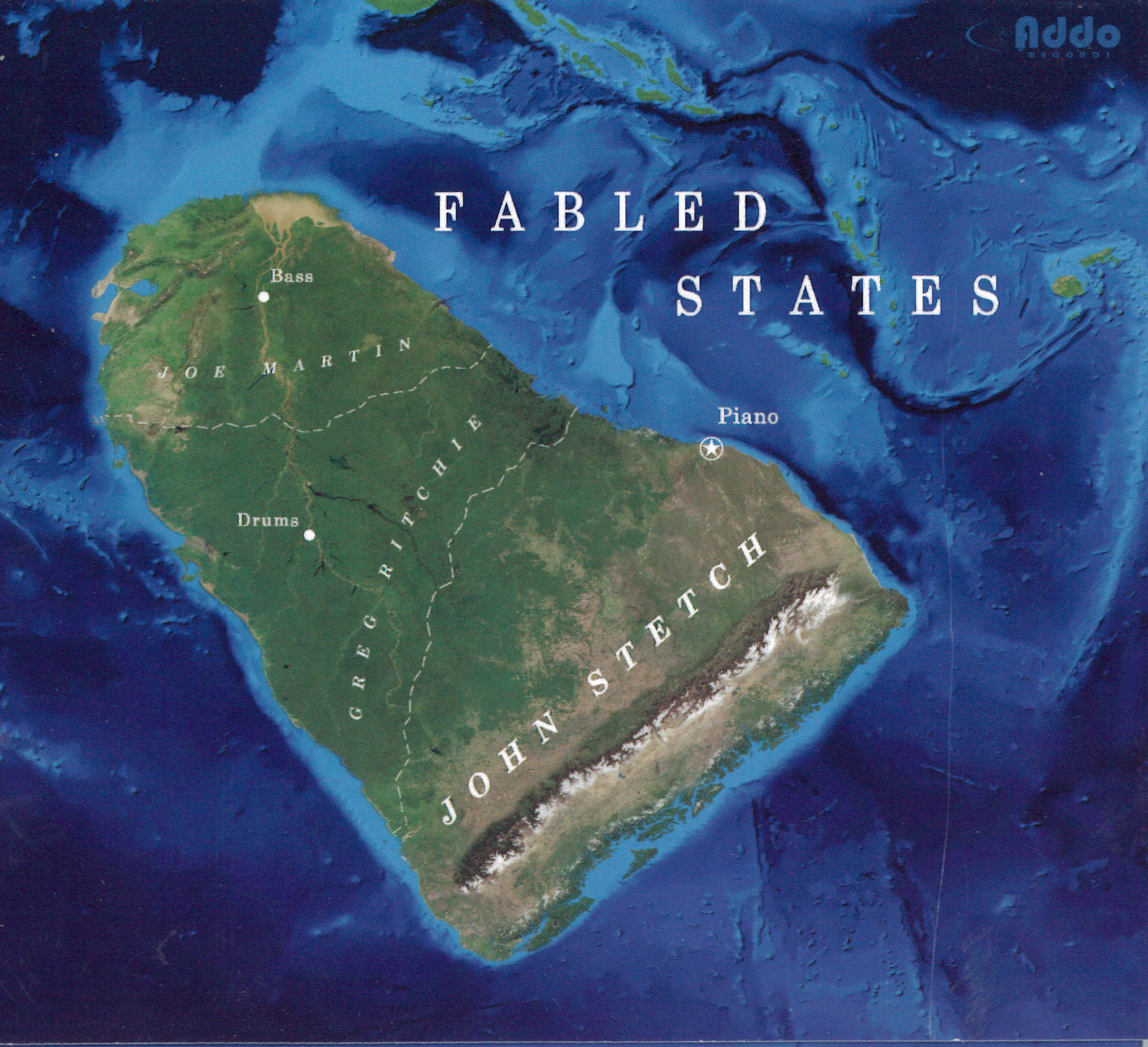
Pianist John Stetch is a seriously gifted musician whose presence unfortunately is rare in the GTA despite an international reputation. Edmonton-born but U.S.-based, his releases invariably are stunningly original and on the dozen tunes of John Stetch Trio - Fabled States (Addo Records AJR010 www.addorecords.com) he demonstrates his fluent skill at embracing a plethora of styles, rich textures and harmonic progressions. His virtuosic playing and arranging is a constant here, with the opening Oscar’s Blue Green Algebra an energetic, sweeping homage to Oscar Peterson with gospel underpinnings. The pulsating 12-minute Black Sea Suite is a brilliant fusion of world music and western jazz, Plutology (based on the indestructible I Got Rhythm) spins way out and What The McHeck conveys bracing hard bop. Fascinating considerations of jazz approaches continue with Do Telepromptu probing bluegrass, Gmitri reacting to a Shostakovich prelude and the title tune riffing on Benny Golson’s Stablemates. Bass Joe Martin and drummer Greg Ritchie contribute fluently to an often breathtaking disc.


Orquestra Atlântica


By Anderson Nascimento
A Orquestra Atlântica é um grupo de 11 músicos que se reuniu em 2012 com o intuito de formar uma espécie de Big Band para executar canções de linguagem jazzística, sobretudo para preencher uma lacuna deixada pelas antigas orquestras do Rio de Janeiro, recriando essa sonoridade com adição de um leve toque moderno.
Fazem parte da banda os músicos Aldivas Ayres (trombone), Danilo Sinna (saxofone), Elias Kibe Borges (saxofone), Geisel Nascimento (trompete), Jessé Sadoc (trompete), Marcelo Martins (saxofone), Sérgio Galvão (saxofone), Wanderson Cunha (trombone), Jorge Helder (baixo) e Glauton Campello (piano), Williams Mello (bateria), Dadá Costa (percusão).
Entre as releituras presentes no disco estão lindas canções como a faixa de abertura “Rio” (Roberto Menescal, Ronaldo Bôscoli), “De Volta ao Rio” (Marcelo Martins) e a deliciosa “Nós” (Johnny Alf). Também surpreendem pela qualidade dos arranjos canções como “Inútil Paisagem” (Tom Jobim, Aloysio de Oliveira), capitaneados pelo trio Marcelo Martins, Jessé Sadoc e Danilo Sinna.
Além de releituras que parecem ter como mote o deslumbrante cenário carioca, a banda também investe em canções próprias como a suingada “Chico” (Danilo Sinna), “De Volta ao Rio” (Marcelo Martins), “Passo o Ponto” (Jorge Helder), “A Viagem” (Marcelo Martins) e “Passeio Público” (Jessé Sadoc).
Compõem o disco também as participações especiais de Vittor Santos, Nelson Faria, além da a luxuosa e certeira participação de Mauro Senise em “Preciso Aprender a Ser Só” (Marcos Valle, Paulo Cesar Valle).
O disco é certamente uma boa pedida para quem curte música instrumental, sobretudo o Jazz.


Joey Alexander
Joey.Monk.Live!


By Dan Bilawsky
The late Thelonious Monk is most certainly the toast of the town these days. With the High Priest of Bop's centennial upon us, he's being saluted from all corners of the jazz world. Pianist John Beasley is leading the charge on the big band front with his MONK'estra, trumpeter Wadada Leo Smith is reflecting on the great pianist-composer all by his lonesome, and New York's Jazz Standard has given over Monk's birth month to a broad swath of tributes to mark this grand occasion. So is it any wonder that the positively precocious Joey Alexander would want to get in on the action?
The arrival of Joey. Monk. Live!, an album that documents Alexander's stand with his trio at Jazz at Lincoln Center's Appel Room in June of 2017, was something of a slap in the face to marketing norms. Rather than provide advanced notice of its approach to sweeten interest and rack up a string of preview pieces and pull quotes for advertisements, it came out of nowhere, a welcome surprise in a world short on such things. What's all the more pleasing is how the prodigious pianist addresses these oft-covered works: Alexander playfully dissects and reassembles Monk's classics, honoring one of our most iconic figures without letting legacy eclipse the present day. One need only hear the first two minutes of the "Round Midnight" opener—one of two solo tracks on the program, along with back-end bookend "Pannonica"—to realize that this is Monk on Alexander's terms. He paves the way toward the familiar melody with wide-eyed curiosity, calling to mind the act of people-watching at noon, not stargazing in the night.
The five tracks that rest between Alexander's solo piano efforts highlight his easy and expansive rapport with bassist Scott Colley and drummer Willie Jones III. "Evidence" swings, skulks, and struts, with all three men getting in on the action, and "Ugly Beauty"—anything but ugly, really—dazzles as Colley and Alexander engage in a pointed dance. Then "Rhythm-A-Ning" gives Jones his due, a marvelously morphing "Epistrophy" gives these three musicians a chance to feel out their spaces and throw a few elbows, and "Straight No Chaser" comes with swagger before Alexander takes charge and channels his idol.
Nobody should be questioning this teenager's jazz standing at this point, what with his previous albums, television appearances, and high profile performances making the case for his true arrival. But if anybody still has any lingering doubts, this one should lay them to rest. Plain and simple, Joey Alexander is the genuine article.
Track Listing: 
Round Midnight; Evidence; Ugly Beauty; Rhythm-a-Ning; Epistrophy; Straight No Chaser; Pannonica.
Personnel: 
Joey Alexander: piano; Scott Colley: bass; Willie Jones III: drums.

Saturday, February 03, 2018

1 Sem 2018 - Part Five

Shelly Berg & David Finck
The Deep


By Dr. Judith Schlesinger
So it happens that pianist Shelly Berg and bassist David Finck were hired by Chesky Records to play on a Livingston Taylor album. After they finished that session, with the high-end audiophile equipment still in place, David Chesky suggested the two stay and make a duo album themselves. And so they did, virtually on the spot.
Since Berg and Finck play so well together, and know a lot of tunes, it was easy to come up with a standards set list in which Miles Davis, Bill Evans and Johnny Mercer are all represented. And because producer Chesky requested some free improvisation, the two created six tracks of spontaneous musical conversation as well, although in these hands each was nearly a song. The result is The Deep, a relaxed interplay between two supremely gifted and experienced pros at the very top of their game.
It would require many pages to list all their accomplishments---the luminaries they've recorded and played with, their innumerable CDs, their nights on the world's great stages. Such resumes are readily available on the Web, leaving The Deep to express all that talent and taste without a word being said. (It's a good thing, too, since there are no liner notes, and the tiny text often disappears into the background color.)
But the music is wonderful. This marvelous album draws the listener in from the top, with the rarely-played and hauntingly beautiful "Fellini's Waltz." The arrangements are often intriguing: for instance, "Solar" goes on for two minutes before the melody appears, then snaps off about thirty seconds later. Other highlights include a revelatory eight-minute "Dindi" with a definitive Finck solo; the winsome "Whistling Away the Dark"; another gem from Jobim, "If You Never Come to Me"; and the lustrous "Why Did I Choose you?" Fans of thoughtful improvisation will treasure the free tracks, which highlight what makes this CD so unusual: the way the players listen and respond to each other, rather than going on a self-involved ego ride, intent on showing off their chops. Of course, it also helps that both men are such expressive and melodic players with a deep respect for each other.
In the final analysis, it's this deep listening and steady empathic connection that elevates The Deep above the pack. To hear Berg and Finck support and inspire each other is a rare treat: the sound of jazz at its best.
Track Listing:
Fellini's Waltz; Solar; For Gunther; Dindi; For John Lewis; Peri's Scope; Why Did I Choose You?; Glacier Love; 3rd Word; Whistling Away the Dark; Lunar; If You Never Come To Me; The Deep; Just You, Just Me
Personnel: 
Shelly Berg: piano; David Finck: bass.


Cyrus Chestnut
There's A Sweet, Sweet Spirit


By Mike Joyce at JazzTimes
When it comes time to record, Cyrus Chestnut has never been inclined to stay in his lane. The widely acclaimed jazz pianist, who once devoted an entire album to Elvis Presley’s legacy, has always had a healthy disregard for genre borders and biases. So it’s not surprising to find him charting his own curious course on There’s a Sweet, Sweet Spirit, with the help of three likeminded collaborators: bassist Buster Williams, drummer Lenny White and vibraphonist Steve Nelson.
Naturally, Nelson, who appears on three of the album’s 10 tracks, plays a crucial role when the band salutes Bobby Hutcherson by performing two compositions penned by the late vibraphonist, “The Littlest One of All” and “Little B’s Poem.” Both the former, with its insinuating pulse and melodic shimmer, and the latter, with its spiraling charms, consistently inspire Nelson and his closely attuned session-mates. “Little B’s Poem” gives way to poetry of another sort: Williams’ tender ballad “Christina,” a showcase here for Chestnut’s spacious, light-fingered lyricism. Of course, any album that also celebrates the music of Chopin, Miles Davis and the Stylistics is going to present Chestnut with myriad opportunities to display his talents in shifting lights and moods. Suffice it to say that “Rhythm-A-Ning” delightfully underscores his deep appreciation of Thelonious Monk’s singular legacy, while “Easy Living” proves a splendid and soulful vehicle for Nelson. The album’s title track is saved for last. One of two solo-piano performances here, it caps the session with a quiet, slowly unfurling “Amen!”


Enrico Pieranunzi/ Mads Vinding/ Alex Riel
Yesterdays


By Euan Dixon
This live date, recorded some 20 years ago but issued now for the first time, gives equal billing to each of the participants but being a piano trio it is de facto Pieranunzi’s session. Like most contemporary piano trio jazz the music has lots of moving parts and the bass and drums contribute significantly to its inner complexity and the intricate melodic and rhythmic construction but the it pianist’s stylistic devices that set the tone hence my decision to give him pre-eminence.
It is said that Pieranunzi’s formative musical influence was Erroll Garner and echoes of this remain in the teasing preludes with which he launches his often febrile and over-wrought forays into the interpretation of the several songbook ballads he explores at great length. Add to this the sentimental romanticism he picked up from his work with Chet Baker in the later stages of the trumpeter’s career, his innate feeling for melodic classicism, a touch of rococo embroidery and you have a pianist who is capable of producing music of great beauty and power.
There are some gems in this set, notably a witty, off the wall version of Fats Waller’s `Jitterbug Waltz` but a tendency to ostentation and climactic pile driving overwhelms the ballads; for instance, `My Funny Valentine` gets a fair drubbing and emerges somewhat bedraggled and disfigured from the process as does the opening `Yesterdays`. Live dates do of course have the potential to dispose performers to overexcitement and the intervening years have shown Pieranunzi is still capable of grandstanding tendencies as the 2014 live date, also from the Jazz House, revealed in another somewhat prolix treatment of the unfortunate `Valentine`.
Notwithstanding my reservations I remain a committed enthusiast of Pieranunzi’s subsequent work, particularly the wonderful CamJazz recordings that remain as examples of a high point in the art of the piano trio equalling in technique and expressiveness anything by Jarrett and Mehldau and this disc, though slightly flawed by the aforementioned mannerisms, will happily take its place on my shelf alongside my prized copies of his superb Morricone interpretations.


Antonio Adolfo
Hybrido - From Rio To Wayne Shorter


By Roger Farbey

With well over thirty albums to his name, Brazilian composer and pianist Antonio Adolfohas now conjured up a really attractive paean to the master saxophonist and composer Wayne Shorter. The selection of tracks is excellent because it clearly demonstrates just how key a figure Shorter is to jazz. It doesn't replicate the 1988 Blue Note collection The Best Of Wayne Shorter but does include three numbers from that album.
"Deluge" offers a warm ensemble-led invocation of this enticing track taken from Ju Ju. Then there's a relaxed version of Shorter's classic "Footprints," embellished by Zé Renato's wordless vocals. "Prince of Darkness" from Miles Davis's 1967 album Sorcerer is lusciously percussion-rich (including a deep tabla-like Baião percussion introduction). "Black Nile" from 1964's Night Dreamer is a satisfying interpretation of the original with bright piano from Adolfo.
The elegance of "Beauty And The Beast" is encapsulated in its mixture of bossa and samba (Adolfo refers to it as SamBossa) and is one of two tracks taken from Shorter's "Native Dancer" album which he recorded with Milton Nascimento. The title track from Speak No Evil is a model of stately modality with its majestic and memorable theme and rich tenor solo from Marcelo Martins whilst the elegant "Ana Maria," again from Native Dancer, sports some nimble guitar from Lula Galvão.
To conclude the set, there's a lone self-penned number by Adolfo, "Afosamba," a perfect example of his first-rate talent as a composer. The arrangements throughout are strong and for those familiar with all the Shorter tracks it affords them a new and vibrant dimension. For those unfamiliar with the numbers, the album will serve as an excellent and enticing primer, prior to sampling the original source material. It's also a timely reminder of just how important Shorter is in terms of his illustrious back catalogue of compositions.
Track Listing:
Deluge; Footprints; Beauty and the Beast; Prince of Darkness; Black Nile; Speak No Evil; E.S.P.; Ana Maria; Afosamba.
Personnel:
Antonio Adolfo: piano; Lula Galvao: electric guitar; Jorge Helder: bass; Rafael Barata: drums; Andre Siqueira: percussion; Jesse Sadoc: trumpet; Marcelo Martins: tenor and soprano saxophones, flute; Serginho Trombone: trombone; Ze Renato: vocals (2); Claudio Spiewak: acoustic guitar (3).

Sunday, January 28, 2018

1 Sem 2018 - Part Four

Escalandrum
Vertigo


By Fernando Rios
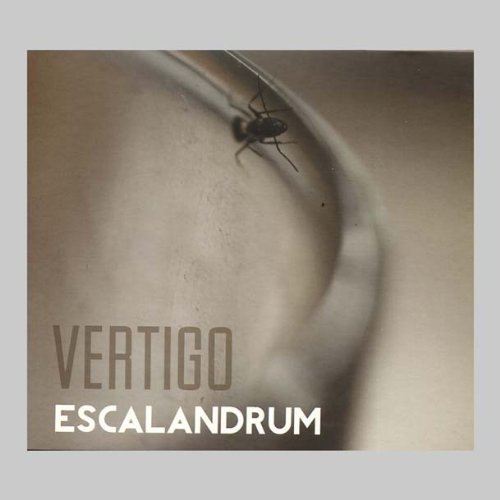
Integrado por ocho composiciones nuevas y propias, tres del saxofonista Damián Fogiel y el resto del pianista Nicolás Guerschberg, este séptimo disco de Escalandrum, y primero en vivo en toda su carrera, renueva su enorme presencia en el escenario local, luego del excelente “Piazzolla plays Piazzolla”, con el que en 2012 ganaron el Gardel de Oro (máxima distinción de la industria musical argentina) y el Gardel al Mejor Album de Jazz.
Para Nicolás Guerschberg “Vertigo” es todo un desafío. “Después de revisitar la obra de Astor Piazzolla, retomar nuestra senda con composiciones propias no era fácil, pero salimos muy enriquecidos de la experiencia, con un lenguaje urbano y contemporáneo aplicado en la improvisación y una amalgama del grupo con todos estos años de experiencias juntos.
Para Mariano Sívori este “Vertigo” tiene que ver con el viejo anhelo del grupo de grabar en vivo en un club de jazz, pero también, dice, “es una apuesta a seguir proponiendo nuevas variaciones sobre nuestro sonido, luego del homenaje y riesgo de ‘Piazzolla plays Piazzolla”.Aquí además Guerschberg asume el doble desafio de la autoría en cinco de los temas “Como compositor siempre trato de dar mi mayor esfuerzo por lograr la mejor calidad posible en las obras y ‘Vértigo’, asegura, es el reflejo de todo esto con el plus de ser nuestro primer cd totalmente en vivo”.
Martín Pantyner también adhiere al concepto. Este disco cierra un año idílico para el grupo, en el que hicimos más de 60 conciertos por Argentina y por el mundo y ganamos el Gardel por el mejor disco de jazz y el Gardel de Oro. Como dirían en el barrio, el sueño del pibe”.
También desde doble sitial de saxofonista y autor, Damián Fogiel pronostica que el nuevo disco de Escalandrum será un punto de inflexión en la rica historia del grupo.
Este disco “sintetiza la búsqueda del sonido propio, sobre el cual venimos trabajando hace muchos años y refleja el crecimiento individual y colectivo que logramos tras nuestra intensa revisión de la música de Astor Piazzolla”, reseña Fogiel.
Escalandrum lleva 14 años como grupo con su formación original y han editado siete discos. Han actuado en más de 40 países y cosechado numerosos premios. En 2002 fueron distinguidos por la Fundación Konex como una de las cien figuras más importantes de la cultura argentina. En 2011 el grupo argentino fue nominado a los Grammy Latinos compartiendo terna nada menos que con Chick Corea y Al Di Meola.
Escalandrum:
Daniel “Pipi” Piazzolla, batería; Nicolás Guerschberg, piano; Mariano Sívori, en contrabajo.
Gustavo Musso, en saxo alto; Damián Fogiel, saxo tenor; 
Martín Pantyrer, clarinete bajo y saxo barítono.


Amaro Freitas
Sangue Negro


By Tratore
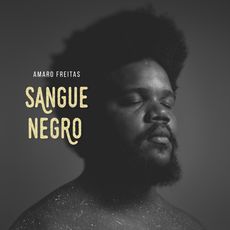
Sangue Negro, disco de estreia do pianista Amaro Freitas, produzido pelo gaúcho Rafael Vernet, acompanhado pelo baixista Jean Elton e pelo baterista Hugo Medeiros, com participações do saxofonista Eliudo Souza e do trompetista Fabinho Costa. O disco reinaugura uma linhagem de jazz autoral. Minimalismo, Bebop, Afrojazz, Samba, Frevo e Balada, estas são algumas das sonoridades que permeiam Sangue Negro.


Jerónimo Carmona
Lament


By Jakob Baekgaard

Jazz listeners familiar with the characteristic sound and aesthetic of Argentinian label Rivorecords will know the deep, swinging sound of bassist Jerónimo Carmona, who has been a strong presence on many releases on the label, including albums by pianists Ernesto Jodos and Paula Shocron. With Lament, Carmona gets the chance to step into the spotlight himself.
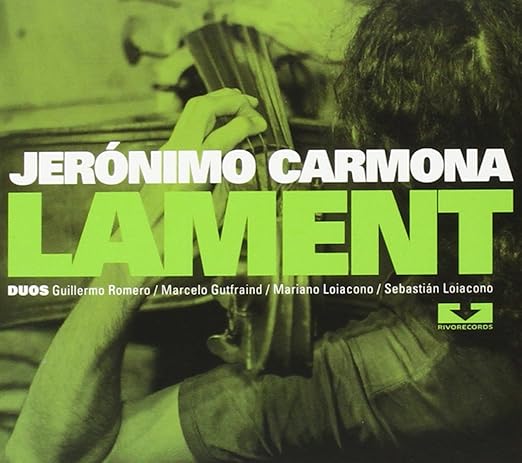
Lament is conceived as a duo album, but it isn't a duo album in the traditional sense. Instead, the album consists of a series of duets between the bassist and the musical voices of saxophonist Sebastián Loiacono, flugelhorn-player Mariano Loiacono, pianist Guillermo Romero and guitarist Marcelo Gutfraind.
Romero plays with the mournful sensitivity of pianist Bill Evans on "Lament" and the crisp chords of guitarist Gutfraind add an extra touch of sophistication on "Indian Summer" while Mariano Loiacono's warm flugelhorn swings fluorescently on a relaxed interpretation of Dizzy Gillespie's "Groovin' High" where the bassist's walking bass patterns and precise punctuations on the theme is a joy to behold.
Throughout the album, Carmona underlines why he is in demand as a sideman. It is primarily his sense of space that makes him such a good bassist. He makes the grooves grow organically out of the air.
The album ends with a strong solo interpretation of "I Fall in Love Too Easily" and indeed it is also easy to fall in love with the music on Lament.
Track Listing:
If I Should Lose You; Milestones; Groovin' High; You're My Everything; Lament; The Way You Look Tonight; Blue and Sentimental; Indian Summer; In Your Own Sweet way; I Fall in Love Too Easily.
Personnel:
Jerónimo Carmona: bass; Sebastian Loiacono: tenor saxophone; Mariano Loiacono; flugelhorn; Guillermo Romero: piano; Marcelo Gutfraind: electric guitar.


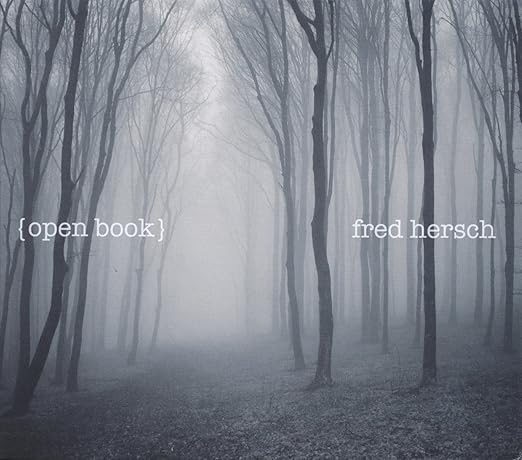
Fred Hersch
Open Book


By Dan McClenaghan
In the aftermath of his coma and very possible demise back in 2008, pianist Fred Herschblossomed from a status as a first rate jazz pianist into the rarified air of one of the handful of top practitioners of that art form. A series of post-illness albums, from Whirl(2010), to Alone At The Vanguard (2011) to Floating (2014), Solo (2015) and Sunday Night At the Vanguard (2016), all on Palmetto Records, are all solo and trio outings that reveal a heightened artistic clarity and unabashed vulnerability, alongside a deeper emotive approach, this in comparison to his uniformly excellent, but perhaps more cerebral output before his struggle with serious health problems.
Now we have Open Book, Hersch's eleventh solo piano outing.
Intimacy is a hallmark of Hersch's music, and "The Orb," the set's opener, taken from Hersch's autobiographical music/theater piece, My Coma Dreams, is the tenderest, loveliest of love songs, a look at a paramour through, with justification it seems, rose-colored glasses. "Whisper Not," Benny Golson's classic tune, takes things into a turn of the playful, via crisp, prancing piano notes singing over a serious and assertive left hand. Hersch visits an old friend, Antonio Carlo Jobim, with "Zingaro," a sublime reverie.
The centerpiece, "Through The Forest," is something unheard of on record by Hersch. It's a nineteen minutes-plus, stream-of-consciousness, improvised in-the-moment masterpiece. An ebb and flow dreamscape of sorts—the most fragile of delicacies and the most sacred and quiet moments slipped in beside emphatic percussive energy—music as enchanting as anything the pianist has ever created.
Then in walks Monk. Hersch includes a Thelonious Monk tune in most every set, most every recording. "Eronel" is a spritely interpretation by Hersch, who immerses himself the challenging music deeper than most anybody, peppering the stride-side with sparkling, water-splashing-off-the-rocks sounds, rolling into jagged eddies, leading into the closer, Billy Joel's "And So It Goes," solemn, simple, honest, beautiful.
Honesty—another hallmark of Hersch's art.
This is a recording that makes it seem as though Fred Hersch is the finest jazz pianist in the world. That's an impossible assertion, of course. There are a dozen, maybe more pianists who have achieved this level artistry. But for now, with Open Book, he can wear that title.
Track Listing:
The Orb; Whisper Not; Zingaro; Through the Forest; Plainsong; Eronel; And So It Goes.
Personnel:
Fred Hersch: piano

Sunday, January 21, 2018

1 Sem 2018 - Part Three

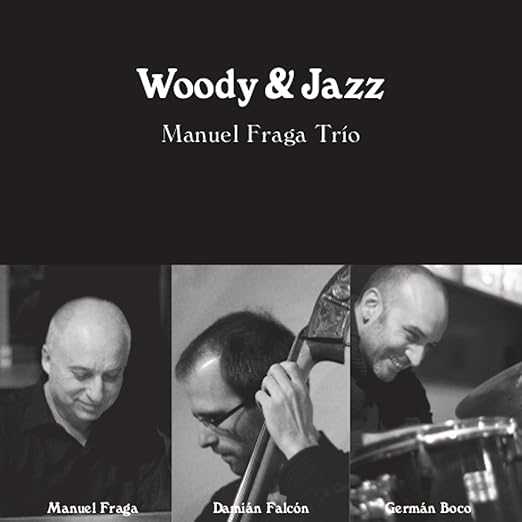
Manuel Fraga Trio
Woody & Jazz


By Amazon
Argentinean pianist Manuel Fraga hails from Buenos Aires. He studied jazz and improvisation with Carlos Balmaceda, and later harmony, composition, form, and analysis with Manolo Juarez. Fraga performs here with his trio, consisting of himself, Damian Falcon, and German Boco, all of whom have thriving careers individually and are that much more special when they perform together. The theme of this release is unusual but fun. All of the jazz pieces performed were featured in films that starred American legend Woody Allen.


Sarah Vaughan
Live At Rosy's


By Fred Kaplan at Stereophile
On the heels of its revelatory release of long-lost sessions by Larry Young in Paris during the mid-1960s, Resonance Records pulls another treasure from the archives—Sarah Vaughan's appearance at Rosy's, a now-defunct New Orleans jazz club, in May 1978.
Vaughan was 54 and in the midst of a merry comeback, recording a slew of albums for producer Norman Granz on the Pablo label and performing in a string of small clubs around the world (I saw her around this time at a very small venue, holding maybe 50 people, in Washington, DC), all with stunning virtuosity leavened with a playful verve.
She also had a great trio: Walter Booker on bass, Jimmy Cobb on drums, and her young arranger, Carl Schroeder, on piano. That's the group heard on the two CDs of Live at Rosy's. The club date was recorded for NPR's Jazz Alive, a wonderful program from that era (I'm surprised its archive hasn't served as the source for dozens of albums). A few years ago, Tim Owens, who produced the series, told Zev Feldman, Resonance's proprietor-sleuth, about the existence of tapes that didn't make the cut for the show's hour-long broadcast—hence this album, and there's nothing second-string about it.
Sarah, the Divine One, is clearly having a grand time, swooping octaves, holding whole notes with a velvet vibrato, turning ballads into vamps, vamps into speed-fests, and sometimes playing songs straight and level too. She also shows great comic flair. Check out Disc 1, Track 9, when she calls for requests from the audience and hears back "A-Tisket A-Tasket" (from someone apparently confusing her with Ella Fitzgerald, who'd made a huge hit of the song 40 years earlier), prompting Vaughan to deadpan, "Well, I'll be damned . . . He thinks I'm Lena Horne," then to dive into the tune anyway, in a dead-on impression of Ella's little-girl voice of way back then.
Mainly she sings her long repertoire of standards: "I'll Remember April," "I Fall in Love Too Easily," "East of the Sun," "Time After Time," and, of course, "Send in the Clowns," which I've never heard any Broadway star sing more movingly.
This ranks right up there with the best Sarah Vaughan albums from this period (she died of lung cancer in 1990). And the sound quality, while a little thin on the drums, is very good too.


Jorge Anders Jazz Orchestra
Going Home


By Amazon
Celebrating his return to his homeland of Argentina after many years of living and working in NYC, Jorge Anders is a part of the continuum of great Argentinean jazz musicians, bandleaders and arrangers of the 50s and 60s such as Gato Barbieri , Lalo Schifrin, amon others. His career also included a playing and arranging with the Mercer Ellington-led Duk Ellington orchestra in the 1980s and his arrangements have also had a prominent place on the bandstands of Mel Lewis, Butch Miles, Machito and more. This aptly titled album brings together live recordings of different performances of Anders Jazz Orchestra in Buenos Aires between 2011 and 2014, including a track that features Anders wife and vocalist, Maryanne Murray front and center.


Gustavo Musso & Francisco Lo Vuolo
Back In Town


By Jakob Baekgaard
Playing in a duo exposes the communication between two musicians. Like a good conversation, there's a chance to get a special level of depth and intimacy. A good conversation with a stranger can make us feel like we have known the person for years, but if the conversation grows stale then the reaction might become estrangement.
Keeping a good conversation alive is all about flow and the ability to listen. To know when to pause and when to react. These are qualities that the Argentinian musicians, pianist Francisco Lo Vuolo and saxophonist Gustavo Musso, possess in abundance.
Their topic of conversation on Back in Town is the great repertoire of jazz, ranging from standards, swing and bop to the hard bop of saxophonist Joe Henderson. Hearing Henderson's famous composition "Inner Urge" without the insistent heavy groove provided by drums and bass is fascinating. Musso and Lo Vuolo cools it down and highlight the melodic intricacy of the composition as their lines dance lightly around each other in the spirit of legendary saxophonist Charlie Parker.
The fugue-like nature of Parker's music is also illuminated on a reading of his classic composition "Confirmation" where they once again slow the tempo down.
While both Lo Vuolo and Musso show superior technical skills, they don't try to impress or interrupt each other. Instead, they concentrate on their musical conversation, telling stories filled with emotion, warmth and an empathic sense of the history of jazz.
Track Listing: 
The Gypsy; Confirmation; Inner Urge; Mood Indigo; On a Slow Boat to China; Invitation; Isotope; Reflections.
Personnel: 
Gustavo Musso: alto saxophone, tenor saxophone; Francisco Lo Vuolo: piano.

Sunday, January 14, 2018

1 Sem 2018 - Part Two

Harold Mabern
Afro Blue


By Christopher Loudon

Though elder statesman Harold Mabern’s blocky, aggressive piano style may seem better suited to the small army of horn players he’s worked with-from Miles, Ornette and Freddie Hubbard to George Coleman and Eric Alexander-it’s worth remembering that Mabern’s early career also placed him with Betty Carter, Johnny Hartman, Sarah Vaughan and Joe Williams. At age 78 he remains a sterling vocal accompanist, as demonstrated across this album featuring five of the finest singers around: Kurt Elling, Gregory Porter, Jane Monheit, Norah Jones and Alexis Cole.
Alongside regular trio mates John Webber (bass) and Joe Farnsworth (drums), Mabern bookends the album with original instrumental tributes, opening with the propulsive “The Chief,” for John Coltrane, with guests Alexander (on tenor) and trumpeter Jeremy Pelt, and closing with the ice-cool swinger “Bobby, Benny, Jymie, Lee, Bu.”
Porter steps in for another salute, the Mabern-penned “The Man From Hyde Park,” for Herbie Hancock, and a blistering treatment of the title track. Jones shines on “Fools Rush In” and the misty “Don’t Misunderstand.” Monheit’s kittenish allure is gorgeously realized on a lilting “I’ll Take Romance” and a satiny “My One and Only Love.” Evincing strong echoes of Chris Connor, Cole traverses another original, Mabern’s breezily philosophic “Such Is Life.” And Elling, distinctive as ever, helps define three widely diverse tracks: a sizzling, scat-fueled “Billie’s Bounce”; a tenderly reflective “Portrait of Jennie”; and this project’s biggest surprise, a near-anthemic rendering of the Anne Murray hit “You Needed Me.”


Jimmy Cobb
The Original Mob


By C. Andrew Hovan
As the Smoke Sessions list of titles continues to grow, so too do we get to check out some of the country's greatest drummer. The much in-demand Joe Farnsworth has been featured on the label's releases by Harold Mabern and David Hazeltine. Furthermore, one of the most recent titles is a headlining date for the legendary Louis Hayes. Now, comes along a new set that puts the spotlight on renowned drummer Jimmy Cobb, a gentleman that for most of his career worked almost exclusively as a sideman. However, since the late '90s, Cobb has had more than several occasions to step out as a leader with several versions of an ensemble he calls Cobb's Mob.
So the story goes, the original line up of Cobb's Mob mentioned in the title goes back some 20 years when the drummer worked with pianist Brad Mehldau, bassist John Webber, and guitarist Peter Bernstein at The Village Gate. Since each musician is a leader in their own right and quite busy, it's no surprise that the opportunities to work with Cobb have been limited in the ensuing years. That's what makes this album so special.
It should be noted that unlike all the previous releases from Smoke Sessions, this date was not recorded before a live audience. Instead, the tables were removed and things were set up like a studio session. Cobb mentions in the liners that it reminded him of recording in the home of Rudy Van Gelder back in the '50s when the living room served as the studio. The overall sound seems lazar etched, but with a sense of warmth and just the right amount of reverberation to make things sound natural. In fact, Cobb's drums have rarely sounded better.
The repertoire is nicely balanced between choice standards and originals by Cobb, Bernstein, Mehldau, and Webber. There are also some fine solos from Cobb and he trades fours on occasion, sounding particularly musical on "Sunday in New York." It is also a treat to hear Mehldau away from the introverted type of performances that constitute much of his work as a leader. On his original piece, "Unrequited," Bernstein drops out and the pianist delivers a piquant bossa that ever so tastefully integrates bebop lines with classically-inspired runs.
Bernstein finds his own time in the spotlight, sounding particularly fine on "Composition 101," where he delivers the melody in the Blue Note style of Grant Green, then goes on to weave some wonderful lines that span the upper and lower registers of the guitar. The guitarist's own "Minor Blues" is the type of engaging waltz tempo that has become somewhat of his own trademark. It is set off nicely against the rest of the program, which is made up of medium to brisk swingers.
Much has been made lately of the idea that jazz has to somehow eschew key elements of its identity to mature and advance itself. Cobb and crew create the kind of timeless and rewarding jazz that satisfies on so many levels and yet is accessible enough for even the most neophyte listeners. If that isn't advancing the art form, then I don't know what is.
Track Listing: 
Old Devil Moon; Amsterdam After Dark; Sunday in New York; Stranger in Paradise; Unrequited; Composition 101; Remembering U; Nobody Else But Me; Minor Blues; Lickety Split.
Personnel: 
Peter Bernstein: guitar; Brad Mehldau: piano; John Webber: bass; Jimmy Cobb: drums.


João Bosco
Mano Que Zuera


By SomLivre
Depois de 8 anos sem lançar nenhum projeto inédito, o cantor e violonista mineiro João Bosco traz ao público ‘Mano Que Zuera’, um álbum composto de 11 belas canções, entre elas algumas parcerias inéditas com o filho Chico Bosco, que também assina a produção musical do álbum. Dessas parcerias o single ‘Onde Estiver’, que nasceu de conversas entre pai e filho, merece destaque pela força poética e arranjo primoroso, que já toca nas principais rádios do Brasil. Além das inúmeras parcerias com o filho, o projeto conta ainda com clássicos como ‘Sinhá’ (parceria com Chico Buarque), ‘Duro na Queda’ e ‘João do Pulo’ (Parcerias com Aldir Blanc), esta última contando com uma fusão sonora com a canção ‘Clube da Esquina No 2’, e o encontro inédito com a composição de Arnaldo Antunes em ‘Ultraleve’, onde a filha Júlia Bosco faz uma participação mais que especial com sua voz doce e potente. Trata-se de um clássico da MPB que acabou de nascer!


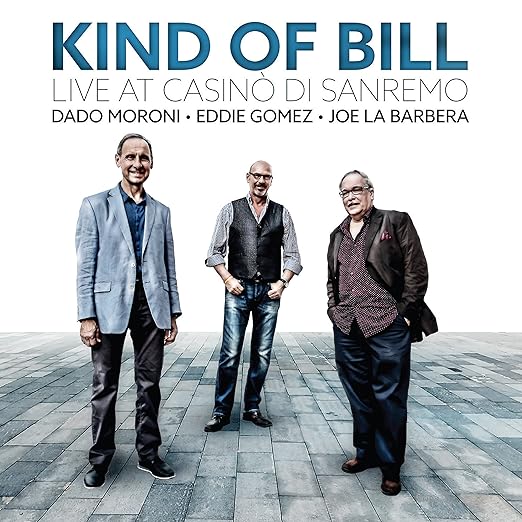
Dado Moroni/ Eddie Gomez/ Joe La Barbera
Kind Of Bill - Live At Casino Di Sanremo


By Michael Scullin
What's to like about this album? This is a tremendous album and perhaps his best (and he has many really good albums). Accompanied by Eddie Gomez (a jazz gold standard for years – going back to accompanying Bill Evans) and Joe La Barbera who has likewise been around for years and is, as always, in top form. They swing like mad and sound as though they had been playing together for years. Their choice of music lends itself to great listening. I would go six stars were it possible - and this after listening to it once. Furthermore it is relatively inexpensive and comes in a nice slim cardboard case. All together I found all three to be in top form and to be a musical team that would be tough to beat. Don't know Moroni? this is a really good place to start.

Sunday, January 07, 2018

1 Sem 2018 - Part One

Gregory Porter
Nat"King"Cole & Me


By Matt Collar
On his fifth studio album, 2017's lovingly produced Nat "King" Cole & Me, singer Gregory Porter takes a purposefully traditional approach, paying tribute to one of his biggest influences, legendary vocal icon Nat King Cole. To help craft his tribute, Porter recorded the album with Grammy Award-winning arranger Vince Mendoza and the illustrious London Studio Orchestra, as well as several tracks featuring Los Angeles studio stalwarts. Also on board are Porter's longtime bandmates, pianist Christian Sands, bassist Reuben Rogers, and drummer Ulysses Owens. While primarily known for his contemporary, genre-crossing style of jazz and R&B, Porter here leans nicely into a distinctly old-school sound. Mendoza frames the singer's warm, supple voice with shimmering orchestral arrangements that wouldn't be out of place during the golden age of '50s and early-'60s traditional pop. While never mimicking Cole's distinctive style, Porter manages to straddle the line between evincing the storied artist's burnished vocal sound, and displaying his own virtuoso talents. Tracks like the Cole songbook regulars "Nature Boy," "Mona Lisa," and "The Christmas Song" are lushly arranged renditions that envelop the listener. Also engaging are the upbeat swingers like "Ballerina" and "L-O-V-E," which features a guest solo appearance from trumpeter Terence Blanchard. There's also a cinematic quality to many of the cuts, as on "Miss Otis Regrets," in which Mendoza's dramatic, classical-tinged opening quickly settles into an intimate, candlelit reading of the melancholy classic. Porter even applies his vintage-influenced approach to a reworking of his original "When Love Was King." Romantic, sophisticated, and rich with vocal prowess, Nat "King" Cole & Me lives up to both Cole and Porter's own immense creative reputations.


Dan Costa
Suite Três Rios


By Paul Naser

The rich musical history of Brazilian music parallels the development of jazz in the United States' in many ways. At the same time, the two informed and influenced each other as they matured. Brazilian legends like Antonio Carlos Jobim and Dori Caymmi are remembered for their influence on the development of Bossa Nova, and Jobim, like few composers of popular music in the 20th century, continues to be revered for his many contributions and innovations.
All this history is instantly recognizable in the compositions on pianist Dan Costa's latest record, Suite Três Rios. Tunes like "Samba" that begin with that joyfully familiar groove and its unmistakable lilt remind the listener that they are listening to musicians who are steeped in tradition, while the very same opening, simply by the fact that it is orchestrated on the modern drum set, also hints at what the new generation has to offer. The harmony is unmistakably modern jazz.
The crystalline opening chords in the high register of the piano that begin the opening track "Alba," indicative of a deep awareness of touch and tone, remind us of Jobim's fascination with the classical tradition. The rest of the track introduces us to a pianist and composer with a great respect for his peers. With hints of Geoffrey Keezer and Brad Mehldau in both feel and phrasing, Costa has clearly listened as much as he has practiced.
Judging by the solos on tracks like "Baião," Costa brought a band that really came to play. Guitarist Ricardo Silveira plays beautifully on the track, as he does throughout the record, and percussionist Marcos Suzano's subtle yet poignant percussion playing lends both atmosphere and drive to the track. Other highlights include the gorgeous "Bossa Nova" featuring vocalist Leila Pinheiro and the closer "Aria"
Fans of contemporary jazz will undoubtedly enjoy the latest from Dan Costa, and though those looking for Brazilian music in the style of Joao Gilberto or his contemporaries may not find what they are looking for, they will surely be pleasantly surprised to discover that Brazilian jazz, like its American counterpart, has fondly remembered its roots as it unabashedly moves forward.
Track Listing: 
Alba (ft. Jaques Morelenbaum); Chorinho; Samba; Bossa Nova (ft. Leila Pinheiro); Baião (ft. Marcos Suzano); Maracatu; Modinha (ft. Teco Cardoso); Aria
Personnel: 
Dan Costa: Piano, Compositions, Arrangements, Production; Ricardo Silveira: Guitar, Executive Co-production; Marcelo Martins: Alto & Tenor Sax; Vittor Santos: Trombone; Alberto Continentino: Double Bass; Rafael Barata: Drums, Pandeiro; Jaques Morelenbaum: cello; Leila Pinheiro: voice; Teco Cardoso: baritone sax; Marcos Suzano: percussion


Fabio Torres
Pra Esquecer das Coisas Úteis


By Tratore
Nascido em janeiro de 1971, Fabio Torres iniciou seus estudos de música logo aos cinco anos de idade. Após formar-se em piano erudito no conservatório, em 1990, ingressou no curso de Composição na Escola de Comunicações e Artes da USP. Nesta fase, paralelamente ao estudo da música eurdita, o músico lecionava piano, tocava em bandas de baile e casas noturnas, onde praticava a música popular.
Em 1992, aos 22 anos, formou a Banda Mistura e Manda, com a qual gravaria seu primeiro CD. No ano seguinte, venceu o Projeto Nascente –prêmio da Editora Abril destinado a revelar talentos na USP.
Integrante do Trio Corrente.


Antonio Carlos Bigonha
Urubupeba


By RevistaDeLuxo
Talento brasiliense, o procurador da República, compositor e pianista Antônio Carlos Bigonha lança hoje (14) seu segundo CD, batizado de “Urubupeba”, com uma coletânea de músicas instrumentais inéditas de sua autoria. O repertório é composto por MPB, com acordes de bossanova e jazz. São treze músicas, com destaque para a faixa-título, Urubupeba, para Tango Brasileiro e Valsa do Mar. Os arranjos e regência são de Dori Caymmi. Bigonha fará três shows no Clube do Choro, nos dias 14, 15 e 16 de setembro, apartir das 21h. Censura: 14 anos, sendo que menores devem estar acompanhadosdos pais ou responsáveis. Ingressos a R$ 20,00 e R$ 10,00. O CD Urubupeba estará à venda no local. Valor: R$ 25,00.
O trabalho de Bigonha vem ganhando destaque no cenário musical. Nana Caymmi gravou uma música de sua autoria,“Confissão”, em seu mais recente disco, “Sem Poupar Coração”, lançado pela SomLivre. Bigonha participou da produção do CD “Flor de Pão”, de Simone Guimarães, lançado com o selo Biscoito Fino, cuja faixa-título do disco é de sua autoria. O trabalho foi indicado ao Grammy Latino em 2009. Em 2004, ele foi o vencedordo IV Festival BDMG Instrumental, em Minas Gerais. Suas músicasrecebem influência de compositores que vão de Ernesto Nazaré a Tom Jobim,mescladas ao conhecimento de quem estudou, em sua formação clássica, osprelúdios de Chopin e Debussy.
SOBRE O COMPOSITOR
  O músico Antônio Carlos Bigonha tem uma trajetória rara. Formado em piano clássico, ele começou a tocar ainda na infância, a partir dos sete anos de idade. Concluiu a formação em piano na adolescência, ingressou na UnB no curso de Direito e transformou a música num hobby. Nos Anos 90, tornou-se procurador da República e, como integrante do Ministério Público Federal, passou a atuar em ações contra improbidade e crimes do colarinho branco na Capital do país. Na década seguinte resgatou seu talento artístico e começou a compor para piano. Em 2004 lançou seu primeiro disco, “Azulejando” . Nesse primeiro CD, ele contou com a participação especial de Toninho Horta, Juarez Moreira, Marina Machado, Flávio Henrique.