Sunday, January 28, 2018

1 Sem 2018 - Part Four

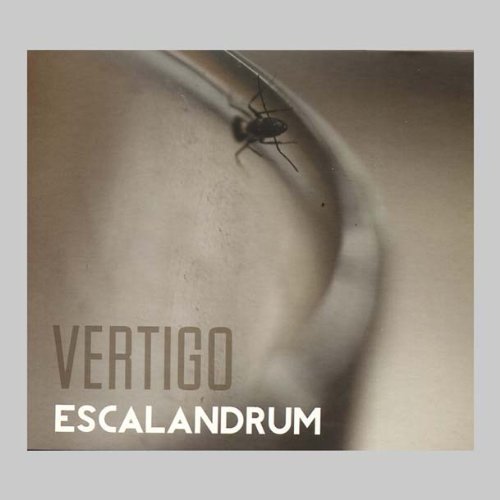
Escalandrum
Vertigo


By Fernando Rios
Integrado por ocho composiciones nuevas y propias, tres del saxofonista Damián Fogiel y el resto del pianista Nicolás Guerschberg, este séptimo disco de Escalandrum, y primero en vivo en toda su carrera, renueva su enorme presencia en el escenario local, luego del excelente “Piazzolla plays Piazzolla”, con el que en 2012 ganaron el Gardel de Oro (máxima distinción de la industria musical argentina) y el Gardel al Mejor Album de Jazz.
Para Nicolás Guerschberg “Vertigo” es todo un desafío. “Después de revisitar la obra de Astor Piazzolla, retomar nuestra senda con composiciones propias no era fácil, pero salimos muy enriquecidos de la experiencia, con un lenguaje urbano y contemporáneo aplicado en la improvisación y una amalgama del grupo con todos estos años de experiencias juntos.
Para Mariano Sívori este “Vertigo” tiene que ver con el viejo anhelo del grupo de grabar en vivo en un club de jazz, pero también, dice, “es una apuesta a seguir proponiendo nuevas variaciones sobre nuestro sonido, luego del homenaje y riesgo de ‘Piazzolla plays Piazzolla”.Aquí además Guerschberg asume el doble desafio de la autoría en cinco de los temas “Como compositor siempre trato de dar mi mayor esfuerzo por lograr la mejor calidad posible en las obras y ‘Vértigo’, asegura, es el reflejo de todo esto con el plus de ser nuestro primer cd totalmente en vivo”.
Martín Pantyner también adhiere al concepto. Este disco cierra un año idílico para el grupo, en el que hicimos más de 60 conciertos por Argentina y por el mundo y ganamos el Gardel por el mejor disco de jazz y el Gardel de Oro. Como dirían en el barrio, el sueño del pibe”.
También desde doble sitial de saxofonista y autor, Damián Fogiel pronostica que el nuevo disco de Escalandrum será un punto de inflexión en la rica historia del grupo.
Este disco “sintetiza la búsqueda del sonido propio, sobre el cual venimos trabajando hace muchos años y refleja el crecimiento individual y colectivo que logramos tras nuestra intensa revisión de la música de Astor Piazzolla”, reseña Fogiel.
Escalandrum lleva 14 años como grupo con su formación original y han editado siete discos. Han actuado en más de 40 países y cosechado numerosos premios. En 2002 fueron distinguidos por la Fundación Konex como una de las cien figuras más importantes de la cultura argentina. En 2011 el grupo argentino fue nominado a los Grammy Latinos compartiendo terna nada menos que con Chick Corea y Al Di Meola.
Escalandrum:
Daniel “Pipi” Piazzolla, batería; Nicolás Guerschberg, piano; Mariano Sívori, en contrabajo.
Gustavo Musso, en saxo alto; Damián Fogiel, saxo tenor; 
Martín Pantyrer, clarinete bajo y saxo barítono.


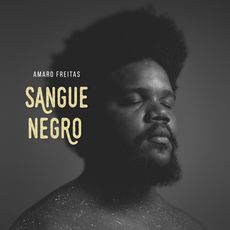
Amaro Freitas
Sangue Negro


By Tratore
Sangue Negro, disco de estreia do pianista Amaro Freitas, produzido pelo gaúcho Rafael Vernet, acompanhado pelo baixista Jean Elton e pelo baterista Hugo Medeiros, com participações do saxofonista Eliudo Souza e do trompetista Fabinho Costa. O disco reinaugura uma linhagem de jazz autoral. Minimalismo, Bebop, Afrojazz, Samba, Frevo e Balada, estas são algumas das sonoridades que permeiam Sangue Negro.


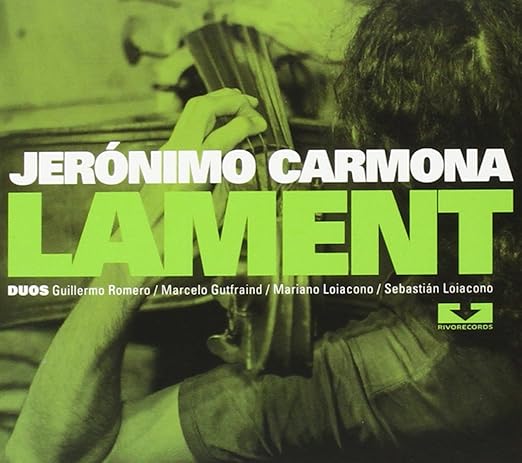
Jerónimo Carmona
Lament


By Jakob Baekgaard

Jazz listeners familiar with the characteristic sound and aesthetic of Argentinian label Rivorecords will know the deep, swinging sound of bassist Jerónimo Carmona, who has been a strong presence on many releases on the label, including albums by pianists Ernesto Jodos and Paula Shocron. With Lament, Carmona gets the chance to step into the spotlight himself.
Lament is conceived as a duo album, but it isn't a duo album in the traditional sense. Instead, the album consists of a series of duets between the bassist and the musical voices of saxophonist Sebastián Loiacono, flugelhorn-player Mariano Loiacono, pianist Guillermo Romero and guitarist Marcelo Gutfraind.
Romero plays with the mournful sensitivity of pianist Bill Evans on "Lament" and the crisp chords of guitarist Gutfraind add an extra touch of sophistication on "Indian Summer" while Mariano Loiacono's warm flugelhorn swings fluorescently on a relaxed interpretation of Dizzy Gillespie's "Groovin' High" where the bassist's walking bass patterns and precise punctuations on the theme is a joy to behold.
Throughout the album, Carmona underlines why he is in demand as a sideman. It is primarily his sense of space that makes him such a good bassist. He makes the grooves grow organically out of the air.
The album ends with a strong solo interpretation of "I Fall in Love Too Easily" and indeed it is also easy to fall in love with the music on Lament.
Track Listing:
If I Should Lose You; Milestones; Groovin' High; You're My Everything; Lament; The Way You Look Tonight; Blue and Sentimental; Indian Summer; In Your Own Sweet way; I Fall in Love Too Easily.
Personnel:
Jerónimo Carmona: bass; Sebastian Loiacono: tenor saxophone; Mariano Loiacono; flugelhorn; Guillermo Romero: piano; Marcelo Gutfraind: electric guitar.


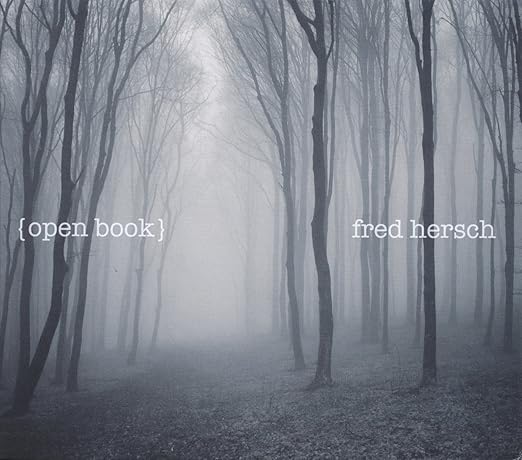
Fred Hersch
Open Book


By Dan McClenaghan
In the aftermath of his coma and very possible demise back in 2008, pianist Fred Herschblossomed from a status as a first rate jazz pianist into the rarified air of one of the handful of top practitioners of that art form. A series of post-illness albums, from Whirl(2010), to Alone At The Vanguard (2011) to Floating (2014), Solo (2015) and Sunday Night At the Vanguard (2016), all on Palmetto Records, are all solo and trio outings that reveal a heightened artistic clarity and unabashed vulnerability, alongside a deeper emotive approach, this in comparison to his uniformly excellent, but perhaps more cerebral output before his struggle with serious health problems.
Now we have Open Book, Hersch's eleventh solo piano outing.
Intimacy is a hallmark of Hersch's music, and "The Orb," the set's opener, taken from Hersch's autobiographical music/theater piece, My Coma Dreams, is the tenderest, loveliest of love songs, a look at a paramour through, with justification it seems, rose-colored glasses. "Whisper Not," Benny Golson's classic tune, takes things into a turn of the playful, via crisp, prancing piano notes singing over a serious and assertive left hand. Hersch visits an old friend, Antonio Carlo Jobim, with "Zingaro," a sublime reverie.
The centerpiece, "Through The Forest," is something unheard of on record by Hersch. It's a nineteen minutes-plus, stream-of-consciousness, improvised in-the-moment masterpiece. An ebb and flow dreamscape of sorts—the most fragile of delicacies and the most sacred and quiet moments slipped in beside emphatic percussive energy—music as enchanting as anything the pianist has ever created.
Then in walks Monk. Hersch includes a Thelonious Monk tune in most every set, most every recording. "Eronel" is a spritely interpretation by Hersch, who immerses himself the challenging music deeper than most anybody, peppering the stride-side with sparkling, water-splashing-off-the-rocks sounds, rolling into jagged eddies, leading into the closer, Billy Joel's "And So It Goes," solemn, simple, honest, beautiful.
Honesty—another hallmark of Hersch's art.
This is a recording that makes it seem as though Fred Hersch is the finest jazz pianist in the world. That's an impossible assertion, of course. There are a dozen, maybe more pianists who have achieved this level artistry. But for now, with Open Book, he can wear that title.
Track Listing:
The Orb; Whisper Not; Zingaro; Through the Forest; Plainsong; Eronel; And So It Goes.
Personnel:
Fred Hersch: piano

Sunday, January 21, 2018

1 Sem 2018 - Part Three

Manuel Fraga Trio
Woody & Jazz


By Amazon
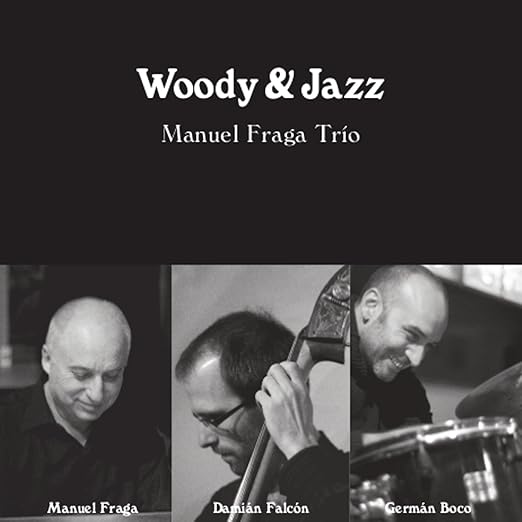
Argentinean pianist Manuel Fraga hails from Buenos Aires. He studied jazz and improvisation with Carlos Balmaceda, and later harmony, composition, form, and analysis with Manolo Juarez. Fraga performs here with his trio, consisting of himself, Damian Falcon, and German Boco, all of whom have thriving careers individually and are that much more special when they perform together. The theme of this release is unusual but fun. All of the jazz pieces performed were featured in films that starred American legend Woody Allen.


Sarah Vaughan
Live At Rosy's


By Fred Kaplan at Stereophile
On the heels of its revelatory release of long-lost sessions by Larry Young in Paris during the mid-1960s, Resonance Records pulls another treasure from the archives—Sarah Vaughan's appearance at Rosy's, a now-defunct New Orleans jazz club, in May 1978.
Vaughan was 54 and in the midst of a merry comeback, recording a slew of albums for producer Norman Granz on the Pablo label and performing in a string of small clubs around the world (I saw her around this time at a very small venue, holding maybe 50 people, in Washington, DC), all with stunning virtuosity leavened with a playful verve.
She also had a great trio: Walter Booker on bass, Jimmy Cobb on drums, and her young arranger, Carl Schroeder, on piano. That's the group heard on the two CDs of Live at Rosy's. The club date was recorded for NPR's Jazz Alive, a wonderful program from that era (I'm surprised its archive hasn't served as the source for dozens of albums). A few years ago, Tim Owens, who produced the series, told Zev Feldman, Resonance's proprietor-sleuth, about the existence of tapes that didn't make the cut for the show's hour-long broadcast—hence this album, and there's nothing second-string about it.
Sarah, the Divine One, is clearly having a grand time, swooping octaves, holding whole notes with a velvet vibrato, turning ballads into vamps, vamps into speed-fests, and sometimes playing songs straight and level too. She also shows great comic flair. Check out Disc 1, Track 9, when she calls for requests from the audience and hears back "A-Tisket A-Tasket" (from someone apparently confusing her with Ella Fitzgerald, who'd made a huge hit of the song 40 years earlier), prompting Vaughan to deadpan, "Well, I'll be damned . . . He thinks I'm Lena Horne," then to dive into the tune anyway, in a dead-on impression of Ella's little-girl voice of way back then.
Mainly she sings her long repertoire of standards: "I'll Remember April," "I Fall in Love Too Easily," "East of the Sun," "Time After Time," and, of course, "Send in the Clowns," which I've never heard any Broadway star sing more movingly.
This ranks right up there with the best Sarah Vaughan albums from this period (she died of lung cancer in 1990). And the sound quality, while a little thin on the drums, is very good too.


Jorge Anders Jazz Orchestra
Going Home


By Amazon
Celebrating his return to his homeland of Argentina after many years of living and working in NYC, Jorge Anders is a part of the continuum of great Argentinean jazz musicians, bandleaders and arrangers of the 50s and 60s such as Gato Barbieri , Lalo Schifrin, amon others. His career also included a playing and arranging with the Mercer Ellington-led Duk Ellington orchestra in the 1980s and his arrangements have also had a prominent place on the bandstands of Mel Lewis, Butch Miles, Machito and more. This aptly titled album brings together live recordings of different performances of Anders Jazz Orchestra in Buenos Aires between 2011 and 2014, including a track that features Anders wife and vocalist, Maryanne Murray front and center.


Gustavo Musso & Francisco Lo Vuolo
Back In Town


By Jakob Baekgaard
Playing in a duo exposes the communication between two musicians. Like a good conversation, there's a chance to get a special level of depth and intimacy. A good conversation with a stranger can make us feel like we have known the person for years, but if the conversation grows stale then the reaction might become estrangement.
Keeping a good conversation alive is all about flow and the ability to listen. To know when to pause and when to react. These are qualities that the Argentinian musicians, pianist Francisco Lo Vuolo and saxophonist Gustavo Musso, possess in abundance.
Their topic of conversation on Back in Town is the great repertoire of jazz, ranging from standards, swing and bop to the hard bop of saxophonist Joe Henderson. Hearing Henderson's famous composition "Inner Urge" without the insistent heavy groove provided by drums and bass is fascinating. Musso and Lo Vuolo cools it down and highlight the melodic intricacy of the composition as their lines dance lightly around each other in the spirit of legendary saxophonist Charlie Parker.
The fugue-like nature of Parker's music is also illuminated on a reading of his classic composition "Confirmation" where they once again slow the tempo down.
While both Lo Vuolo and Musso show superior technical skills, they don't try to impress or interrupt each other. Instead, they concentrate on their musical conversation, telling stories filled with emotion, warmth and an empathic sense of the history of jazz.
Track Listing: 
The Gypsy; Confirmation; Inner Urge; Mood Indigo; On a Slow Boat to China; Invitation; Isotope; Reflections.
Personnel: 
Gustavo Musso: alto saxophone, tenor saxophone; Francisco Lo Vuolo: piano.

Sunday, January 14, 2018

1 Sem 2018 - Part Two

Harold Mabern
Afro Blue


By Christopher Loudon

Though elder statesman Harold Mabern’s blocky, aggressive piano style may seem better suited to the small army of horn players he’s worked with-from Miles, Ornette and Freddie Hubbard to George Coleman and Eric Alexander-it’s worth remembering that Mabern’s early career also placed him with Betty Carter, Johnny Hartman, Sarah Vaughan and Joe Williams. At age 78 he remains a sterling vocal accompanist, as demonstrated across this album featuring five of the finest singers around: Kurt Elling, Gregory Porter, Jane Monheit, Norah Jones and Alexis Cole.
Alongside regular trio mates John Webber (bass) and Joe Farnsworth (drums), Mabern bookends the album with original instrumental tributes, opening with the propulsive “The Chief,” for John Coltrane, with guests Alexander (on tenor) and trumpeter Jeremy Pelt, and closing with the ice-cool swinger “Bobby, Benny, Jymie, Lee, Bu.”
Porter steps in for another salute, the Mabern-penned “The Man From Hyde Park,” for Herbie Hancock, and a blistering treatment of the title track. Jones shines on “Fools Rush In” and the misty “Don’t Misunderstand.” Monheit’s kittenish allure is gorgeously realized on a lilting “I’ll Take Romance” and a satiny “My One and Only Love.” Evincing strong echoes of Chris Connor, Cole traverses another original, Mabern’s breezily philosophic “Such Is Life.” And Elling, distinctive as ever, helps define three widely diverse tracks: a sizzling, scat-fueled “Billie’s Bounce”; a tenderly reflective “Portrait of Jennie”; and this project’s biggest surprise, a near-anthemic rendering of the Anne Murray hit “You Needed Me.”


Jimmy Cobb
The Original Mob


By C. Andrew Hovan
As the Smoke Sessions list of titles continues to grow, so too do we get to check out some of the country's greatest drummer. The much in-demand Joe Farnsworth has been featured on the label's releases by Harold Mabern and David Hazeltine. Furthermore, one of the most recent titles is a headlining date for the legendary Louis Hayes. Now, comes along a new set that puts the spotlight on renowned drummer Jimmy Cobb, a gentleman that for most of his career worked almost exclusively as a sideman. However, since the late '90s, Cobb has had more than several occasions to step out as a leader with several versions of an ensemble he calls Cobb's Mob.
So the story goes, the original line up of Cobb's Mob mentioned in the title goes back some 20 years when the drummer worked with pianist Brad Mehldau, bassist John Webber, and guitarist Peter Bernstein at The Village Gate. Since each musician is a leader in their own right and quite busy, it's no surprise that the opportunities to work with Cobb have been limited in the ensuing years. That's what makes this album so special.
It should be noted that unlike all the previous releases from Smoke Sessions, this date was not recorded before a live audience. Instead, the tables were removed and things were set up like a studio session. Cobb mentions in the liners that it reminded him of recording in the home of Rudy Van Gelder back in the '50s when the living room served as the studio. The overall sound seems lazar etched, but with a sense of warmth and just the right amount of reverberation to make things sound natural. In fact, Cobb's drums have rarely sounded better.
The repertoire is nicely balanced between choice standards and originals by Cobb, Bernstein, Mehldau, and Webber. There are also some fine solos from Cobb and he trades fours on occasion, sounding particularly musical on "Sunday in New York." It is also a treat to hear Mehldau away from the introverted type of performances that constitute much of his work as a leader. On his original piece, "Unrequited," Bernstein drops out and the pianist delivers a piquant bossa that ever so tastefully integrates bebop lines with classically-inspired runs.
Bernstein finds his own time in the spotlight, sounding particularly fine on "Composition 101," where he delivers the melody in the Blue Note style of Grant Green, then goes on to weave some wonderful lines that span the upper and lower registers of the guitar. The guitarist's own "Minor Blues" is the type of engaging waltz tempo that has become somewhat of his own trademark. It is set off nicely against the rest of the program, which is made up of medium to brisk swingers.
Much has been made lately of the idea that jazz has to somehow eschew key elements of its identity to mature and advance itself. Cobb and crew create the kind of timeless and rewarding jazz that satisfies on so many levels and yet is accessible enough for even the most neophyte listeners. If that isn't advancing the art form, then I don't know what is.
Track Listing: 
Old Devil Moon; Amsterdam After Dark; Sunday in New York; Stranger in Paradise; Unrequited; Composition 101; Remembering U; Nobody Else But Me; Minor Blues; Lickety Split.
Personnel: 
Peter Bernstein: guitar; Brad Mehldau: piano; John Webber: bass; Jimmy Cobb: drums.


João Bosco
Mano Que Zuera


By SomLivre
Depois de 8 anos sem lançar nenhum projeto inédito, o cantor e violonista mineiro João Bosco traz ao público ‘Mano Que Zuera’, um álbum composto de 11 belas canções, entre elas algumas parcerias inéditas com o filho Chico Bosco, que também assina a produção musical do álbum. Dessas parcerias o single ‘Onde Estiver’, que nasceu de conversas entre pai e filho, merece destaque pela força poética e arranjo primoroso, que já toca nas principais rádios do Brasil. Além das inúmeras parcerias com o filho, o projeto conta ainda com clássicos como ‘Sinhá’ (parceria com Chico Buarque), ‘Duro na Queda’ e ‘João do Pulo’ (Parcerias com Aldir Blanc), esta última contando com uma fusão sonora com a canção ‘Clube da Esquina No 2’, e o encontro inédito com a composição de Arnaldo Antunes em ‘Ultraleve’, onde a filha Júlia Bosco faz uma participação mais que especial com sua voz doce e potente. Trata-se de um clássico da MPB que acabou de nascer!


Dado Moroni/ Eddie Gomez/ Joe La Barbera
Kind Of Bill - Live At Casino Di Sanremo


By Michael Scullin
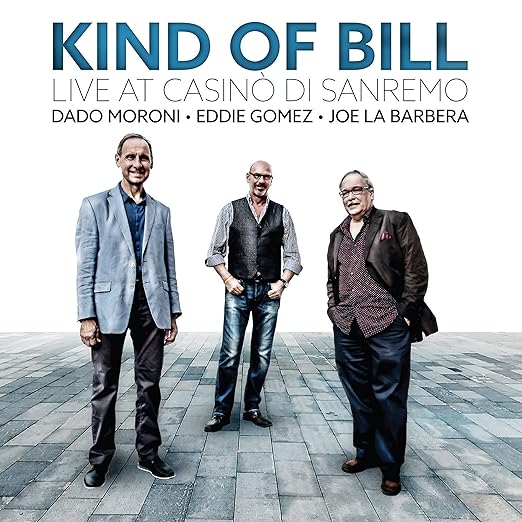
What's to like about this album? This is a tremendous album and perhaps his best (and he has many really good albums). Accompanied by Eddie Gomez (a jazz gold standard for years – going back to accompanying Bill Evans) and Joe La Barbera who has likewise been around for years and is, as always, in top form. They swing like mad and sound as though they had been playing together for years. Their choice of music lends itself to great listening. I would go six stars were it possible - and this after listening to it once. Furthermore it is relatively inexpensive and comes in a nice slim cardboard case. All together I found all three to be in top form and to be a musical team that would be tough to beat. Don't know Moroni? this is a really good place to start.

Sunday, January 07, 2018

1 Sem 2018 - Part One

Gregory Porter
Nat"King"Cole & Me


By Matt Collar
On his fifth studio album, 2017's lovingly produced Nat "King" Cole & Me, singer Gregory Porter takes a purposefully traditional approach, paying tribute to one of his biggest influences, legendary vocal icon Nat King Cole. To help craft his tribute, Porter recorded the album with Grammy Award-winning arranger Vince Mendoza and the illustrious London Studio Orchestra, as well as several tracks featuring Los Angeles studio stalwarts. Also on board are Porter's longtime bandmates, pianist Christian Sands, bassist Reuben Rogers, and drummer Ulysses Owens. While primarily known for his contemporary, genre-crossing style of jazz and R&B, Porter here leans nicely into a distinctly old-school sound. Mendoza frames the singer's warm, supple voice with shimmering orchestral arrangements that wouldn't be out of place during the golden age of '50s and early-'60s traditional pop. While never mimicking Cole's distinctive style, Porter manages to straddle the line between evincing the storied artist's burnished vocal sound, and displaying his own virtuoso talents. Tracks like the Cole songbook regulars "Nature Boy," "Mona Lisa," and "The Christmas Song" are lushly arranged renditions that envelop the listener. Also engaging are the upbeat swingers like "Ballerina" and "L-O-V-E," which features a guest solo appearance from trumpeter Terence Blanchard. There's also a cinematic quality to many of the cuts, as on "Miss Otis Regrets," in which Mendoza's dramatic, classical-tinged opening quickly settles into an intimate, candlelit reading of the melancholy classic. Porter even applies his vintage-influenced approach to a reworking of his original "When Love Was King." Romantic, sophisticated, and rich with vocal prowess, Nat "King" Cole & Me lives up to both Cole and Porter's own immense creative reputations.


Dan Costa
Suite Três Rios


By Paul Naser

The rich musical history of Brazilian music parallels the development of jazz in the United States' in many ways. At the same time, the two informed and influenced each other as they matured. Brazilian legends like Antonio Carlos Jobim and Dori Caymmi are remembered for their influence on the development of Bossa Nova, and Jobim, like few composers of popular music in the 20th century, continues to be revered for his many contributions and innovations.
All this history is instantly recognizable in the compositions on pianist Dan Costa's latest record, Suite Três Rios. Tunes like "Samba" that begin with that joyfully familiar groove and its unmistakable lilt remind the listener that they are listening to musicians who are steeped in tradition, while the very same opening, simply by the fact that it is orchestrated on the modern drum set, also hints at what the new generation has to offer. The harmony is unmistakably modern jazz.
The crystalline opening chords in the high register of the piano that begin the opening track "Alba," indicative of a deep awareness of touch and tone, remind us of Jobim's fascination with the classical tradition. The rest of the track introduces us to a pianist and composer with a great respect for his peers. With hints of Geoffrey Keezer and Brad Mehldau in both feel and phrasing, Costa has clearly listened as much as he has practiced.
Judging by the solos on tracks like "Baião," Costa brought a band that really came to play. Guitarist Ricardo Silveira plays beautifully on the track, as he does throughout the record, and percussionist Marcos Suzano's subtle yet poignant percussion playing lends both atmosphere and drive to the track. Other highlights include the gorgeous "Bossa Nova" featuring vocalist Leila Pinheiro and the closer "Aria"
Fans of contemporary jazz will undoubtedly enjoy the latest from Dan Costa, and though those looking for Brazilian music in the style of Joao Gilberto or his contemporaries may not find what they are looking for, they will surely be pleasantly surprised to discover that Brazilian jazz, like its American counterpart, has fondly remembered its roots as it unabashedly moves forward.
Track Listing: 
Alba (ft. Jaques Morelenbaum); Chorinho; Samba; Bossa Nova (ft. Leila Pinheiro); Baião (ft. Marcos Suzano); Maracatu; Modinha (ft. Teco Cardoso); Aria
Personnel: 
Dan Costa: Piano, Compositions, Arrangements, Production; Ricardo Silveira: Guitar, Executive Co-production; Marcelo Martins: Alto & Tenor Sax; Vittor Santos: Trombone; Alberto Continentino: Double Bass; Rafael Barata: Drums, Pandeiro; Jaques Morelenbaum: cello; Leila Pinheiro: voice; Teco Cardoso: baritone sax; Marcos Suzano: percussion


Fabio Torres
Pra Esquecer das Coisas Úteis


By Tratore
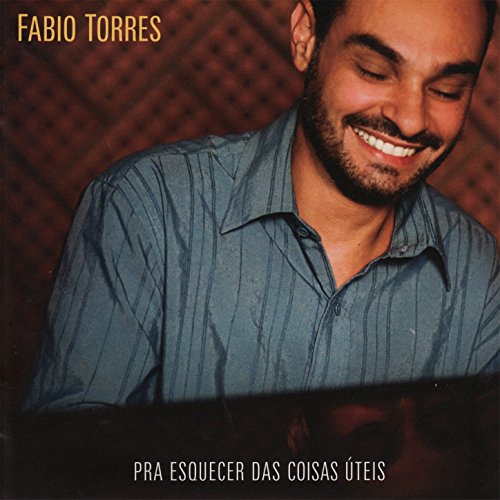
Nascido em janeiro de 1971, Fabio Torres iniciou seus estudos de música logo aos cinco anos de idade. Após formar-se em piano erudito no conservatório, em 1990, ingressou no curso de Composição na Escola de Comunicações e Artes da USP. Nesta fase, paralelamente ao estudo da música eurdita, o músico lecionava piano, tocava em bandas de baile e casas noturnas, onde praticava a música popular.
Em 1992, aos 22 anos, formou a Banda Mistura e Manda, com a qual gravaria seu primeiro CD. No ano seguinte, venceu o Projeto Nascente –prêmio da Editora Abril destinado a revelar talentos na USP.
Integrante do Trio Corrente.


Antonio Carlos Bigonha
Urubupeba


By RevistaDeLuxo
Talento brasiliense, o procurador da República, compositor e pianista Antônio Carlos Bigonha lança hoje (14) seu segundo CD, batizado de “Urubupeba”, com uma coletânea de músicas instrumentais inéditas de sua autoria. O repertório é composto por MPB, com acordes de bossanova e jazz. São treze músicas, com destaque para a faixa-título, Urubupeba, para Tango Brasileiro e Valsa do Mar. Os arranjos e regência são de Dori Caymmi. Bigonha fará três shows no Clube do Choro, nos dias 14, 15 e 16 de setembro, apartir das 21h. Censura: 14 anos, sendo que menores devem estar acompanhadosdos pais ou responsáveis. Ingressos a R$ 20,00 e R$ 10,00. O CD Urubupeba estará à venda no local. Valor: R$ 25,00.
O trabalho de Bigonha vem ganhando destaque no cenário musical. Nana Caymmi gravou uma música de sua autoria,“Confissão”, em seu mais recente disco, “Sem Poupar Coração”, lançado pela SomLivre. Bigonha participou da produção do CD “Flor de Pão”, de Simone Guimarães, lançado com o selo Biscoito Fino, cuja faixa-título do disco é de sua autoria. O trabalho foi indicado ao Grammy Latino em 2009. Em 2004, ele foi o vencedordo IV Festival BDMG Instrumental, em Minas Gerais. Suas músicasrecebem influência de compositores que vão de Ernesto Nazaré a Tom Jobim,mescladas ao conhecimento de quem estudou, em sua formação clássica, osprelúdios de Chopin e Debussy.
SOBRE O COMPOSITOR
  O músico Antônio Carlos Bigonha tem uma trajetória rara. Formado em piano clássico, ele começou a tocar ainda na infância, a partir dos sete anos de idade. Concluiu a formação em piano na adolescência, ingressou na UnB no curso de Direito e transformou a música num hobby. Nos Anos 90, tornou-se procurador da República e, como integrante do Ministério Público Federal, passou a atuar em ações contra improbidade e crimes do colarinho branco na Capital do país. Na década seguinte resgatou seu talento artístico e começou a compor para piano. Em 2004 lançou seu primeiro disco, “Azulejando” . Nesse primeiro CD, ele contou com a participação especial de Toninho Horta, Juarez Moreira, Marina Machado, Flávio Henrique.

Saturday, December 30, 2017

MY FRIENDS PICK - TOP 10 JAZZ CD's - 2017

By Claudio Botelho

MINHAS ESCOLHAS PARA 2017
Perdi a pretensão de listar os “melhores do ano”. Agora, vou me referir as “minhas escolhas”, pois, conforme fui vendo as diferentes listas dos experts internacionais, vi que estas nada têm em comum com meus julgamentos. Embora, nas tais listas, existam muitas obras que desconheço, outras há que são do meu domínio e que, pelo visto, passaram longe da consideração deles, mesmo sendo, em alguns casos, obras capitais para mim e, portanto, dignas de integrar a minha lista.
Cito, também, a votação da DB dos críticos e leitores que, da mesma forma, discrepam em muito do meu gosto musical. Cito um exemplo: não consigo entender o jazz do cantor Gregory Porter e, muito menos, considero-o a melhor coisa da espécie que se fez neste ano! A meu juízo, não passa de um cantor pop, bem pop mesmo. Não consegui ver nenhum jazz no seu trabalho, embora ele se cerque de músicos verdadeiramente jazzistas. Essa “contaminação”, no entanto, não ocorre por osmose ou mesmo por qualquer outro processo conhecido...
Outra obra que está no topo de várias listas é “Upward Spiral” do quarteto de Brandford Marsalis. Comprei o CD e não dei conta de ouvi-lo por completo. Não passei da terceira faixa. Fico até pensando se não fui um tanto precipitado, coisa que, ultimamente, vem se tornado mais comum me acontecer...
Bem, feitas essas considerações, estabelecida a minha ignorância jazzística, vamos aos fatos:

01- AHMAD JAMAL – MARSEILLE. Dizer o que? Aos 86 anos, continua me encantando. A fluência de antigamente não existe mais. A idade não permite. No entanto, ela foi trocada (talvez com vantagens…) por um toque absolutamente seguro e afinado, no qual se tem, agora, um valendo por dois. O jogo com os espaços, a grandiloquência e os grandes contrastes continuam incólumes. Aqui, a percussão se apresenta na medida exata do que deve ser: nem mais nem menos, precisa e, principalmente, eficiente. Lamento pelos que não gostam dela (Júnior tem ânsias de vômito em sua presença...). Perdem uns 20% do prazer que esse CD pode proporcionar. Gravação impecável. A melhor do ano. Aliás, nesse departamento, AJ não gosta de relaxar. O melhor do ano para mim? Advinhem...
02- KEN SCHAPHORST BIG BAND – HOW TO SAY GOODBYE. Trabalho de jazzificação excepcional de alguém que, em minha desabalizadíssima opinião, poderá ser o melhor arranjador dos arranjadores mais conhecidos em atividade. Predominam suas próprias composições que, apesar de desconhecidas, deixam muito bem entrever aquilo que de instantaneidade existe em cada song. Para completar, tem a presença de um tenorista muuiiito inspirado. Um perfeito regalo para os amantes de obra desse tipo. Recomendado para o dr. Márcio Távora, em especial.
03- ALEX TOUMARILA – KINGDOM. Um verdadeiro tour-de-force, como diria o dr. Roberto Barroso. Composições próprias, bem engendradas e de personalidade. Trio afiadíssimo e gravação excelentíssima. Muita dinâmica, com amplo espectro sonoro. Esse rapaz sabe o que faz e o que quer. A obra tem um clima bem otimista. Para ser apreciada em momentos de mais euforia. No dia 31.12, por exemplo.
04- EIVIND AUSTAD TRIO – MOVING. É tudo como o acima, exceto que aqui, existe um clima mais intimista. A diferença é, basicamente, essa. É como se, neste caso, tivéssemos lidando com músicos mais seasoned, com mais bagagem, esta em substituição ao ímpeto mais juvenil do anterior. Gravação igualmente muito boa, mas dotada de menos sparkle.
05- YAMANDU COSTA – MAFUÁ. Foi aqui que pude, finalmente, me convencer 100% da genialidade deste músico. Temos uma guitarra-solo que mais parece uma orquestra. O que ele consegue em ocupar TODOS OS ESPAÇOS não é brincadeira! Quase todas as composições são próprias, cada qual dotada de um clima próprio, o que as torna bem distintas entre si. Vou além: eu diria que, do ponto de vista do atingimento de seu objetivo, considerando tratar-se de um solo de guitarra (que, afinal, não é um Steinway de nove pés...), é o primeira desta lista.
06- DADO MORONI, EDDIE GOMEZ, JOE LABARBERA – KIND OF BILL. De início, me aborreceu a qualidade da gravação (inaceitável para os dias atuais). O CD se apresenta um pouco empanado, o que, sem dúvida, lhe subtrai impacto. Essa condição atrapalhou bastante minha impressão inicial, contribuindo, também, para que eu lhe pespegasse um clima de déjà-vu. Mas é isso mesmo. A proposta do trabalho é homenagear BE, procurando, o mais possível, se aproximar das performances originais. Moroni tem uma personalidade camaleônica e consegue emular quase qualquer um. Aqui, em certa medida, conseguiu, até mesmo por contar com dois músicos que tocaram com o homenageado (me parece que em momentos diferentes, né não, Júnior?). Alguém vai achar que é uma imitação mal sucedida e que, por ser imitação, não tem valor? Pode até ser. O piano original seguramente tem mais élan. Mais aqui temos um músico competente que se cercou de dois excelentes partners que se desdobraram. Para mim, em particular, Gomez SOBRA na sua participação e apresenta, aqui, uma das melhores performances de sua carreira. Tive muito prazer em ver que, com mais de setenta anos, ele não perdeu o entusiasmo pelo que faz. Devo acrescer, no entanto, que o diferencial desse trabalho é a sua performance que, se não for devidamente apreciada, transformará esse trabalho em algo quase banal.
07- BILL CHARLAP TRIO – UPTOWN / DOWNTOWN. Elegância e bom gosto levados ao paroxismo. Repertório irrepreensível, trabalhado com muito refinamento. Charlap definitivamente retornou a seus melhores dias. A lamentar apenas a gravação. Não que seja ruim. Não é. Apenas lhe falta força em certos momentos. É um pouco desencorpada, por vezes...
08- GLENN ZALEVSKI – FELLOWSHIP. Pianista novo e bastante sofisticado. Na linha do Charlap. Se continuar trabalhando sério, pode se tornar um dos grandes do jazz. Muita personalidade e capacidade de produzir arranjos bastante originais e complexos. Um genuíno sangue novo na praça!
09- ORQUESTRA ATLÂNTICA. Surpresa! Pensem numa orquestra de bolso bem redondinha! Recomendadíssima para os fãs da Banda Mantiqueira, pois, neste trabalho, a meu juízo, ela se mostrou bem mais integrada do que aquela, principalmente se formos comparar com seu último lançamento – COM ALMA – que, no geral, me pareceu um tanto sem sal. A novata é mais bem ensaiada e melhor arranjada do que a outra. Ouve-se o CD sem sobressaltos e com muita facilidade. Bom equilíbrio entre seus ups e downs, o que, como soe, facilita sobremodo o trabalho de seus consumidores, pois essa alternância lhes acalma o espírito. Truque que nem sempre é utilizado, o que tem destruído trabalhos que, de outra forma, seriam muito bons. É a velha senoidal. Destaco, também, a corretíssima percussão. Bem carioca.
10- DAVID FELDMAN – HORIZONTE. Surpreendente pianista! Não sei de onde surgiu com esse nome americanalhado! Devo estar mesmo muito por fora de nossa cena musical! Trabalho com grande consistência do começo ao fim e bastante variado. Jazz na essência sem, no entanto, abandonar nossa assinatura sônica. Os que gostam de jazz mainstream se sentiriam muito bem servidos por esse CD, assim como quem curte mais a bossa nova nos moldes em que a praticamos. Junto com o trabalho do Yamandu, foi uma grande surpresa para mim.

Extra:

11- PAWEL KACZMARCZYK TRIO – SOMETHING PERSONAL. Trio polonês de grande solidez. Identifiquei, aqui e ali, influências de Brad Melhdau. Boas influências, aquelas que pontuavam o início de sua carreira, ainda não tão charleslloydianas e keihjarretianas (esticaaaaadas) como ocorre hoje em dia. Perfeita integração, garra e riqueza nos temas que apresenta. Podem marcar esse trio no caderninho...
12- CHRISTIAN McBRIDE BIG BAND – BRINGIN’ IT. Obra variada e, no geral, permeada de otimismo. Própria para ser ouvida nos momentos que antecederem a virada do ano. McBride foi outro que me surpreendeu. Costumava desconsiderar seus trabalhos, em vista de alguns que havia comprado. Achava-os muito feijão com arroz, tipo aqueles últimos trios do Ray Brown. Aliás, se parecem bastante no tocar. O mesmo zeitgeist. No entanto, nesta obra, se tem um trabalho orquestral que, ainda que bastante mainstream, é muito competente: arranjos corretíssimos, bem colocados (sem atingir, no entanto, a sofisticação de Shaphorst) e andamento sobretudo muito fluente. Existem umas três faixas que discrepam um pouco (por exemplo, a de uma composição de Djavan, na qual a cantora não foi capaz lidar com o intrincado de suas melodias), mas as demais compensam com sobra. Belo trabalho orquestral!
13- TOMAS FRAGA – INFLUENCIAS. Parece mais um músico brasileiro de primeira linha do que o argentino que ele é. Excelente compositor e ótimo guitarrista. Aqui não falta nada! CD para se ouvir de uma levada só. Este é exclusivo de quem andou pelas lojas de CD de Buenos Aires. Um tesouro local. Vi que integrou a lista do Marcílio do ano passado. Só o conheci, no entanto, em maio deste ano, quando Marcílio trouxe-o para cá.
14- FRANCISCO LO VUOLO – SEGMENT. Trio de piano onde se impõe um grande conhecimento da linguagem jazzista por parte de Lo Vuolo, um jovem pianista. Não deve nada a qualquer expoente do piano. Aqui é apresentado um repertório com Standards do jazz e outros do cancioneiro popular americano que têm sido importados pelos jazzistas ao longo do tempo. O que poderia ser mais um disco de mesmice dessas interpretações, revelou-se um desfile de interessantíssimas apresentações. São faixas longas, sem encompridamentos desnecessários, diga-se, que muito têm a dizer. Integrou a lista dos melhores do Léo do ano passado. Origem: Buenos Aires. Só para quem esteve lá...
15- ANTÔNIO ADOLFO – HYBRIDO. Magnífico departure de seus últimos trabalhos, que primavam pela chatice. Seria a magia das composições de Shorter? (Wayne, aquele...) O fato é que, com os mesmos músicos de sempre, Adolfo imprimiu outro clima, com excelentes improvisos e precisas intervenções pianísticas de sua parte. Mais uma prova de que repertório é meio caminho andado. Afinal, se a instantaneidade não vingar, pelo menos a outra metade está garantida. Mas não é o caso aqui: tudo funciona muito bem.
16- GILSON PERANZETTA – COMO VINHO- SETENTA ANOS. Esse é para agradar o Léo. Brincadeira à parte, trata-se de um disco correto, bastante clean, sem excessos, mas que não chega a empolgar. Uma mistura de clássico com jazz. Gravação boa e produção bem cuidada. Confesso que não gostei muito da qualidade da camerata carioca que o ajudou em algumas faixas. Desconfio que, sem elas, as coisas teriam corrido com mais fluidez...
17- VINCE MENDOZA - HOMECOMING. Ao transcrever minha listagem de um lugar para outro esse acabou ficando de fora. Não sei se ele está aqui mais para ser elogiado ou para ser criticado, se merece meus encômios ou críticas. O fato é que fiquei muito impressionado com o primeiro trabalho que ouvi dele (Nights on Earth). Depois, vi mais dois que não lhe chegavam aos pés. Não exibiam nem a riqueza de arranjos e, muito menos, a musicalidade exuberante do primeiro. No entanto, sabendo do potencial de Mendoza, continuei insistindo, até chegar neste. E o que existe aqui? Uma orquestra de primeiro mundo que, a meu ver, do ponto de vista de suas possibilidades orquestrais, foi subaproveitada, pois M. economizou nos arranjos. Foi como se tivesse ficado inibido. De início, apesar disso, impressiona, até porque afinação e boa qualidade de som não faltam. O grave é muito bom. Mas, a partir da terceira ou quarta faixa, a apresentação começa a cansar e o ouvinte vai, gradativamente, perdendo o interesse. A segunda faixa (uma espécie de Bolero de Ravel ou de alguma composição de Phillip Glass), apesar da austeridade de improvisação, é muito bonita e tem até a capacidade de nos transportar para uma outra dimensão. No entanto, uma andorinha só não faz verão. Saudades do Nights on Earth... (Mas não vou jogá-lo fora, não!)
É isso, amigos.


By Dr. Leandro Lage Rocha

OS MELHORES DE 2017 (CDS E DVDS):

01. SERGEY ZHILIN,S TRIO- Tchaikovsky in jazz
02. EDU LOBO,ROMERO LUBAMBO E MAURO SENISE- Dos Navegantes
03. MANUEL FRAGA E TRIO- Querido Bill: Tributo a Bill Evans
04. HAMILTON DE HOLANDA QUINTETO- Casa de Bituca: Música de Milton Nascimento
05. FRANCISCO LO VUOLO- In Walked Francis
06. JOÃO BOSCO- Mano Que Zuera
07. CHICO BUARQUE DE HOLLANDA- Caravanas
08. AHMAD JAMAL- Marseille
09. QUARTETO DO RIO & ROBERTO MENESCAL- Mr. Bossa Nova
10. TOMÁS FRAGA- Influencias
11. EM CASA COM LUIZ EÇA- VÁRIOS
12. AMARO FREITAS- Sangue negro
13. ADRIAN IAIES- Small Hours, Late At Night
14. ANTONIO ADOLFO- Hybrido
15. GUSTAVO MUSSO & FRANCISCO LO VUOLO- Back In Town
16. DAVID FELDMAN- Horizonte
17. AYRTON MONTARROYOS
*Menção honrosa ao DVD de CESAR CAMARGO MARIANO-Joyned


By Dr. Marcilio Adjafre


Melhores CD 2017:

1- Alessio Busanca Quartet - Hot Market
2- Pawel Kaczmarczyk audiofeeling Trio - Something Personal
3- Italian West Side Big Band - Blue Tone
4- Ricardo Silveira Trio - Simbora
5- Art Hirahara - Central Line
6- Alex Tuomarila Trio - Kingdom
7- Orquestra Atlântica
8- Bill O’Connell - The Three of Us
9- Joey Alexander - Joey.Monk.Live!
10- Ubik Trio - Dirty Hands
11- Thomas Enhco - Someday My Prince Will Come


By Prof.Dr. Carlos Couto |UFC |FFOE |Lab. de Bromatologia

OS DEZ MELHORES CD’s QUE OUVI EM 2017:

- 01. BRINGN’ IT – Christian McBride Big Band - ★★★★★
- 02. Mr. Bossa Nova – Quarteto do Rio & Roberto Menescal
- 03. Kind Of Bill – Dado Moroni Trio
- 04. At This Time – Steve Kuhn Trio
- 05. Kuchiku – Francisco Vuolo Quartet
- 06. Com Alma - Banda Mantiqueira
- 07. Marseille – Ahmad Jamal & friends
- 08. Mano Que Zuera – João Bosco
- 09. Introducing – Mario Nappi Trio
- 10. P. Tchaikovsky In Jazz – Sergey Zhilin’s Trio
Impossível não incluir:
- 11. Ai Plays Donato – Ai Yazaki Trio & friends

★★★★★ Destaque para o BRINGN’ IT – Christian McBride Big Band - um dos melhores CD’s de jazz dos últimos tempos.


By Márcio Távora

O que ouví de melhor em 2017.
CDs:

01) AHMAD JAMAL (2017) - MARSEILLE
02) BILL EVANS (1968) – SOME OTHER TIME (THE LOST SESSION)
03) BILL EVANS (1968) – ANOTHER TIME (THE HILVERSUM CONCERT)
04) BILLY ECKSTINE (1979) – MOMENTO BRASILEIRO
05) DANILO REA (2014) – DOCTOR 3
06) FRANKIE LAINE & MICHEL LEGRAND (1958) – FOREIGN AFFAIR / REUNION IN RHYTHM
07) ORQUESTRA ATLÂNTICA (2014) – ORQUESTRA ATLÂNTICA
08) RICCARDO ARRIGHINI (2008) – PUCCINI JAZZ (RECONDITE ARMONIE)
09) STEFANO BOLLANI (2017) – MEDITERRANEO
10) TONY FOSTER (2016) – PROJECT PARADISO (MUSIC OF ENNIO MORRICONE AND HENRY MANCINI)

Sejam felizes ouvindo uma boa música.

Friday, December 29, 2017

WORLDJAZZ TOP 10 - 2017

Best Jazz 2017 by WORLDJAZZ

Jazz Record of 2017
- Bill EvansSome Other Time: The Lost Sessions From The Black Forest
Top 10(9) Jazz Records of 2017
- Bill Evans: Another Time-The Hilversum Concert
- Joshua Redman & Brad Mehldau: Nearness
- Ahmad Jamal: Marseille
- Bill Charlap Trio: Uptown Downtown
- Yamandu Costa: Mafuá
- Sari Kessler: Do Right
- Aaron Parks: Find The Way
- David Feldman: Horizonte 
- Enrico Pieranunzi: Proximity

Artiste du Jazz 2017
Bill Evans (in memoriam)

Tuesday, December 19, 2017

Kevin Mahogany ( 1958 - 2017 )


By Timothy Finn - tfinn@kcstar.com
DECEMBER 18, 2017 03:04 PM
UPDATED DECEMBER 18, 2017 10:31 PM


Jazz singer Kevin Mahogany, a Kansas City native who had recently moved back to town, has died. He was 59.
News of his death was reported Monday morning on social media, including his Facebook page. At 11:30 a.m, the American Jazz Museum issued this tweet: “We are deeply saddened to hear of the passing of our dear friend Kevin Mahogany. His broad baritone has been an essential piece of the jazz landscape in Kansas City and all across the world.” A cause of death was not reported.
“Kevin was one of the great musicians to come out of Kansas City,” said Bob McWilliams, director of folk and jazz at Kansas Public Radio and host of “Trail Mix” and “Jazz in the Night.”
“More than anyone, he carried on the Kansas City tradition in terms of jazz vocals. He had this wonderful baritone and ballad style, a lot like Johnny Hartman. And he was a great blues singer, and bebop singer and scat singer. So diverse.”
Mahogany’s discography comprises more than a dozen albums going back to 1993, including recordings on the Warner Bros. and Telarc labels.
He was also a jazz educator. He taught at the University of Miami and the Berklee College of Music in Boston.
Mahogany was a 1981 graduate of Baker University, where he received a degree in music and drama. He gained recognition outside his hometown for his role in the 1996 Robert Altman jazz film, “Kansas City.” Mahogany was also an accomplished instrumentalist on the baritone saxophone, clarinet and saxophone.
Mahogany moved back to Kansas City late this summer, following the unexpected death of his wife, Allene.
“He missed her,” McWilliams said. “He posted a couple of weeks ago that he’d finally cooked himself a meal, something he hadn’t done for about 30 years.”
Fans on social media expressed their sorrow.
Jazz organist Ken Lovern posted on his Facebook page: “So sad to hear about Kevin Mahogany’s passing. Some of my first jazz gigs at the Point and other Kansas City venues were with Kevin. He was always a pleasure to work with. … I spoke to him a few weeks back and he was excited to be moving back to Kansas City.”
Pat Tomek, drummer for the Rainmakers: “This is terrible news. “I knew him from his days as a doorman at Blayney’s. … but (I) never heard him sing until after he moved away. I missed out. He had a great national and international success. He was a big guy and a total sweetheart, always with a kind word to say.”
“If I had to come up with one adjective to describe Kevin,” McWilliams said, “it would be ‘kind.’ He was the kindest person ever.”
Mahogany had a lot of plans in store. He was scheduled to perform New Year’s Eve at the Musical Theater Heritage at Crown Center along with David Basse, Joe Cartwright and other Kansas City jazz musicians.
“He’d been working a lot and had a lot of gigs scheduled,” McWilliams said. Mahogany also had another recording in store.
“He checked in with me at the end of October about another project he wanted to work on,” McWilliams said. “He’d done an album that was a collection of classic soul songs called ‘Pride and Joy,’ and he wanted to do another like that. So we texted back and forth a few things about that. But that was the last direct communications I had with him.”
Mahogany was a musician of many influences. In a recent interview with the Napa Valley Register, Mahogany cited his earliest: “Listening to a lot of bebop — Eddie Jefferson- and Jon Hendricks-type stuff. I tend to lean toward a ballad singer like Johnny Hartman and also the blues with Joe Williams. He brought a different style to the same genre of music: the blues background to the jazz style of music.”
He also explained why he waited until college to focus on becoming a vocalist, for which he became most famous.
“I chose that direction because it allowed me to be more flexible in terms of different genres — jazz or R&B or rock or soul even,” he said. “I was able to do a variety of styles without any problem, vocally.”
Like many who knew Mahogany, McWilliams will remember him as a man who was as humble as he was talented.
“I met Kevin about 30 years ago,” he said. “It was at a jazz convention in New York. A young guy came up to me, very shy and respectful, and said ‘Mr. McWilliams’ — he was only a year or two younger than me — and he had a cassette for me. I think it was called ‘Mahogany.’ It was a lot of soul stuff, really good. After that, I got to know him better and within a few years, he really took off.
“This is especially painful because he thought moving back to Kansas City was going to be such a great thing for him.”

Monday, December 04, 2017

Mundell Lowe ( 1922-2017 )


By Doug Ramsey 12/3/17
Guitarist Mundell Lowe died today. He was 95. Lowe’s career began at 13 when he frequently went from his home in Laurel, Mississippi, to work at clubs in New Orleans’ French Quarter. After service in World War Two, he honed his bebop skills and became one of New York’s busiest guitarists. He worked with a cross-section of major musicians including the Sauter-Finegan Orchestra, pianist Billy Taylor, and his own quintet at The Embers and other clubs. He was in demand not only as a player, but after he moved to Los Angeles in the 1960s also as a composer for films and television series. For five years in the 1980s, he was music director of the Monterey Jazz Festival. Lowe remained active as a player well into his nineties.
One of his happiest occasional partnerships was with fellow guitarist Johnny Smith, another Southerner who was Lowe’s age and whose guitar style also developed under the influence of Charlie Christian. At a 1985 festival in Mobile, Alabama, Lowe and Smith collaborated on Christian’s “Seven Come Eleven.” Despite Lowe’s crediting the composition to Benny Goodman, Christian wrote it in 1940 when he was in Benny Goodman’s sextet and big band. Smith, on your right, has the first solo. The rhythm section is Hank Jones, piano; Monty Budwig, bass; and Alan Dawson, drums.

Sunday, November 26, 2017

2 Sem 2017 - Part Eleven

Colin Vallon
Danse


By Karl Ackermann

Pianist Colin Vallon seems on the verge of a creative breakthrough with his new trio album Danse. With his third ECM trio release Vallon has cemented a personal approach to his music; it is one that has taken time to unfold much like many of his compositions. In his writing, as well as group interplay, the pianist has made a science of exploring open spaces and filling them with nuanced textures or opting for minimalism.
Vallon's influences include not only the familiar names of Thelonious Monk, Miles Davis and Gyögy Ligeti but pop artists like Thom Yorke (Radiohead) and Björk. Here the pianist reunites with bassist Patrice Moret and drummer Julian Sartorius, both from his all-Swiss group on Le Vent (2015). Moret has been a working colleague for more than a decade and Sartorius had replaced Samuel Roher following Rruga (2014) and other pre-ECM albums.
The eleven compositions on Danse do not so much move the needle forward for Vallon and company as they do further refine the composer's excellent compositions. Having written nine of the eleven tracks on the album he clearly keeps the strengths of Moret and Sartorius in mind. The opening "Sisyphe" is an exquisite piece that demonstrates the perfect synergy between Vallon and Moret. Classical influences are apparent in "Tsunami" even as Sartorius' propulsion creates a tautness and—eventually—alters the motif. The title track offers a more intentionally disjointed relationship between piano and bass surprisingly held together by Sartorius while "L'onde" is more upbeat and pleasantly off-kilter. The drummer's light and musical touch can be best be appreciated on the beautiful "Kid" and that atmosphere bleeds into the brief "Reste." The album closes out with the hypnotic "Morn" and a second variation of "Reste."
Vallon has yet to find a broader and well-deserved audience in the US but that is logically a matter of time with three attention-demanding ECM releases. Much of his music exemplifies tranquility, even in the quirkier numbers, but there is always a restive quality, a tension that holds one's consideration and makes this more than a minimal experience. Danse has moments of unsurpassed beauty, offset by inventive, searching passages that portend the unexpected paths Vallon journeys down.
Track Listing:
Sisyphe; Tsunami; Smile; Danse; L’onde; Oort; Kid; Reste; Tinguely; Morn; Reste (var.).
Personnel: 
Colin Vallon: piano; Patrice Moret: double bass; Julian Sartorius: drums.


Yamandu Costa & Alessandro Penezzi
Quebranto


By Jo at Choromusic
Two well known and acclaimed Brazilian guitarists, Yamandú Costa and Alessandro Penezzi have joined forces in recording the shown CD Quebranto that was released by the Biscoito Fino label last month (more info here). The CD has thirteen tracks of amazing guitar duets featuring music composed and/or arranged by the two guitarists. The music reflects different aspects of the Brazilian guitar tradition which are celebrated in the disc. What keeps the project together and generates a successfull disc is the mutual conception of the music and exceptional technical skills applied by both musicians.
According to a published interview with Alessandro Penezzi (- available in Portuguese only, here) the CD has been a long time underway, quote (my English translation): " It was born of a mutual desire that we had to make a record together. About ten years ago, we met at his [Yamandú's] house and began to compose. We recorded some songs in a homemade way. However, only later did we decide to finish the album, putting the idea on paper. I've known Yamandu for a long time, since when I went to live in São Paulo, around 2002. In fact, we became friends, as if we already knew each other.(-) If we add up all the time we have taken to the design and composition of this record, it's years. We started writing it for about three or four years ago, but the idea came before as I said". The collaboration was complicated because of geographical distance between the two guitarists, however, "We solved this a few times with contacts via Skype, WhatsApp, email, and it was like this. When we had a reasonable number of compositions and we needed to rehearse the arrangements, we decided to go to Yamandu's house".
The CD celebrates the Brazilian guitar, its tradition and players - Penezzi puts it this way in the interview, quote "The Brazilian guitar is a character of many faces - from Latin, from Latin blood, from the energy and strength that comes from the Spanish influence, the black guitar, the Creole, the Gaucho ... In fact, there is not an interpreter specifically there [in the music at the disc] , but the soul of the guitar. We seek, by means of sonorous brushstrokes, to give our vision". When asked what are some of the main peculiarities of the Brazilian guitar/violão, Penezzi says there are several "... but I would say the right hand, which is vigorous and has enough of (-) that percussive thing that comes from the Afro root. At the same time, it works hard on polyphony and praises for virtuosity, because of the flameco and Spanish influence. It is a guitar of many peculiarities". The front cover illustration of the CD, which is copied from a graphic work by Stephan Doitschinoff, reflects some of the peculiarities of the right hand technique used by Brazilian guitarists according to Penezzi, quote "There's a gypsy thing about it, which, incidentally, is one of our influences. When we speak of Spanish flamenco music, it includes the gypsy vein, which carries a whole mystical, exoteric baggage." The title of the CD, Quebranto, which also is the title of one of the compositions by Penezzi at the CD, further reflects the gypsy aspect - the word 'quebranto' in gypsy exoteric knowledge points to a spell that casts itself through the gaze to bewitch someone. In a way, this is exactly what happens between musicians when interacting directed by the spirit of the music - it's a spellbinding experience which unites the musician with his or her instrument and at the same time directs the performance and interplay as a unity.
As mentioned, there are thirteen tracks at the CD, five of them contain collaborated compositions by the two guitarists (Capitão do Mato, Chico balanceado, Amigo Bonilha, Valsa Morena and Chaparral), three tracks have pieces composed by Penezzi (É chorando que se aprende, Dayanna and Quebranto), Yamandú also has three self penned pieces (Samba pro Rafa, Bolero negro and Saracoteco) while the two remaining tracks are devoted to a Valsa seresta no. 1 by Sergio Belluco (Penezzi's teacher of the violão) and a collaborate work by Yamandú and his teacher Lucio Yanel entitled Meus gurizinhos. - Yamandú takes a leading role in most of the recorded tunes playing the themes while Penezzi contributes accompaniement but also gets solo spots besides showing off exceptional technical skills like Yamandú. The interplay between the two guitarists is amazing and reveals a mutual responsiveness and shared understanding of the music, which keep the spontaneity and energy of the performance in a direct way that is rare in produced studio recordings. The result is a magnificent production and I highly recommend the CD to anyone with interest in great Brazialian guitar music.


Antonio Meneses & André Mehmari
60 40


By João Marcos Coelho, Especial para o Estado
O escritor cubano Alejo Carpentier, frequentador assíduo das feijoadas semanais no apartamento parisiense de Villa-Lobos na Place St. Michel nos anos 1920, definiu com precisão a natureza da música de seu amigo brasileiro: “Villa-Lobos pensa como palmeira, sem sonhar com pinheiros nórdicos”. E adverte: “Repetimo-nos il pleut dans mon coeur, como o suave poeta, para enganar o incêndio tropical que temos dentro de nós”.
O mágico encontro entre o pianista, compositor e arranjador niteroiense criado em Ribeirão Preto André Mehmari, 40 anos, e o violoncelista pernambucano Antonio Meneses, 60 anos, criado no Rio e hoje um dos grandes músicos clássicos do mundo, assume esse “incêndio tropical” que está no nosso DNA.
São dois músicos extraordinários que comemoram dois aniversários redondos em 2017 - André seus 40 anos, Antonio seus 60 - oferecendo-nos esse CD AM60 AM40, que será lançado pelo Selo Sesc em agosto em apresentações em Ribeirão Preto (dia 17, no Teatro Municipal) e São Paulo (de 18 a 20 no Sesc Vila Mariana).
André assina duas transcrições de Bach e durante as 15 faixas jura que segue a partitura, mas com direito “a ornamentações dentro do estilo!”, esclarece. Suas trajetórias se cruzam em momentos distintos: Antonio, depois de consolidar-se como grande violoncelista clássico na Europa, tem-se voltado para as raízes brasileiras na última década; André vive seu momento mais notável: consolida-se como compositor sinfônico e está cada vez mais fulgurante como pianista improvisador. Grava muito em seu estúdio Monteverdi, na serra da Cantareira, em São Paulo (só este ano já lançou Dorival, em que toca Caymmi em quarteto com Proveta; este AM60 AM40; e Suíte Policarpo, que lança em recital na Flip).
O CD começa e termina com Bach e duas de suas mais conhecidas melodias: o Arioso da cantata BWV 156 e a ária da quarta corda, da suíte para orquestra n.º 3 BWV 1068. Entre um e outra, passeiam por Tom Jobim (antológica performance de Sem Você) e peças mais encorpadas de dois argentinos: a Pampeana n.º 2 de Ginastera; e o Gran Tango, de Piazzolla, dedicado a Rostropovich.
Mehmari é camerístico por natureza. Cresce assustadoramente nesses encontros - como se fosse possível determinar onde é mais superlativo, já que também no piano solo sua arte é hoje magistral. A pimenta do improviso faz a magia do duo, diz ao Estado: “Talvez eu tenha trazido elementos bastante novos para ele, principalmente o fato de eu nunca tocar a mesma peça duas vezes do mesmo jeito. Isso tem a ver com minha natureza de improvisador, algo quase extinto há muito tempo no território da música de concerto”. De seu lado, Antonio diz: “Cantar para mim é a forma máxima da música. Eu sempre tive o sonho de cantar com o violoncelo esse tipo de música”.
O momento mágico desse encontro de gigantes é a Suíte Brasileira, que Antonio encomendou a André. Em 5 movimentos e 15 minutos, leva-nos a uma viagem pelo “incêndio tropical” que temos todos dentro de nós.
O Prelúdio tem centelha e pegada dos célebres prelúdios das suítes para violoncelo de Bach. Ao mesmo tempo, as harmonias virtuais soam monumentais no violoncelo de Antonio, construído pelo lutiê italiano Filippo Fasser, em 2013. André capta, em arpejos e melodias em notas duplas, todas as possibilidades expressivas desse instrumento tão excepcional quanto o músico que o pilota.
O choro-canção é uma das mais belas melodias que André já criou. Mais que villa-lobiana, tem cheiro das rodas de choro dos anos 1910 no Rio de Janeiro. Brasileiríssimo.
O frevo frenético remete às raízes de Antonio e a valsa ao maravilhoso universo dos pianeiros que, desde o final do século 19 e ao longo da primeira metade do século 20 transportaram e reinventaram esse gênero tão vienense às nossas esquinas (impossível não lembrar as valsas de esquina de Mignone, anfíbio genial conhecido nas rodas populares como Chico Bororó). Um sacudido baião encerra em clima de arrasta-pé essa linda Suíte Brasileira, buquê que André Mehmari oferece a Antonio Meneses em seus 60 anos.


Paolo Fresu & Omar Sosa
Eros


By Andrew Cartmel
The striking immediacy of the trumpet and flugelhorn playing of Sardinian master Paolo Fresu shows the profound influence of Miles Davis combined with Mediterranean lyricism. His list of associates include Carla Bley, Piero Umiliani, Ralph Towner, and Sheila Jordan. His latest project is a collaboration with pianist Omar Sosa. Cuban-born Sosa relocated to San Francisco and then Barcelona, and has played with the likes of Paquito D’Rivera, John Santos and Trilok Gurtu. Also on board for this CD are the Brazilian cellist Jaques Morelenbaum and Egyptian-Belgian singer Natacha Atlas.
The album opens with a cover version of Massive Attack’s anthem Teardrop. It is slowed down, blissed-out and reconceived as a piece of minimalist and dismantled electronica, with Sosa using electric keyboards, samplers and effects. And Natacha Atlas sings the lyrics in Arabic. The effect is even more hypnotic than the original, and it has the keen advantage of Fresu’s clean, piercing trumpet to guide and emphasise the piece. Sensuousness features a credible replica of Tuvan throat singing and a melancholy exploration of its theme by Fresu.
Zeus’ Desires has a bouncing beat, with blossoming, rolling Fender Rhodes, set against the more angular gradient of the violins — Anton Berovski and Sonia Peana of the Quartetto Alborada. The string quartet continue to enthral on Brezza del Verano, also featuring Nico Ciricugno on viola and Piero Savatori on cello. Omar Sosa scatters notes across the piece but it’s Fresu who keeps moving it forward with his plangent, reverberant, pre-electric Miles style playing. My Soul, My Spirit features Atlas again and is like a secular call to worship, her voice being gently lowered on a cushion created by the string section. La Llamada (‘The Call’) is a slow-paced, pulsing piece shaped by Sosa’s keyboards and effects, with Fresu playing a dreamlike horn, and succinct, otherworldly interjections in the form of sighing, slanting phrases from the strings. What Is Inside / Himeros begins in the same dreamy, delicate vein, but Sosa builds a fierce, echoing pulse, with fleeting telegraph-key Morse-code taps on the keyboards, building up the feeling of electric-era Miles, not least in Fresu’s performance. In the measured, ambient landscape of Who Wu, with Sosa keeping a tic-tac suggestion of a military drum, Fresu comes and goes in a manner reminiscent of summer lightning before the thunder hits, while the sudden jagged violin is like a can opener lifting the lid on your mind. Why is notable for jovial, lyrical sawing strains on the cello by Jaques Morelenbaum.
Forsaking a conventional rhythm section, this is an unusual and curiously effective group, with a distinctive 21st Century sound that creates a uniform mood without repeating itself or losing the interest of the listener. It has a silky surface which makes for “easy” listening, but also a complexity and depth which repays attention. And, incidentally, when the CD appears to be over...it isn’t. After a minute or two of silence there is an extended “ghost track” which features some great playing.
Track Listing: 
Teardrop - Ya Habibi; Sensuousness; Zeus' Desires; Brezza Del Verano; My Soul, My Spirit; La Llamada; What Is Inside; Himeros; Who Wu; Eros Mediterraneo; Fradelo; What Lies Ahead; Why.
Personnel: 
Paolo Fresu: trumpet, flugelhorn, multi-effects, percussion; Omar Sosa: acoustic piano, Fender Rhodes, MicroKORG, samplers, multi-effects, percussion, vocals, programming; Natacha Atlas: vocals; Jaques Morelenbaum: cello; Quartetto Alborado - Anton Berovski: violin; Sonia Peana: violin; Nico Ciricugno: viola; Piero Salvatori: cello.

Thursday, November 23, 2017

Jon Hendricks (1921-2017)


By PETER KEEPNEWS - NOV. 22, 2017
Jon Hendricks, a jazz singer and songwriter who became famous in the 1950s with the vocal trio Lambert, Hendricks & Ross by putting lyrics to well-known jazz instrumentals and turning them into vocal tours de force, died on Wednesday in Manhattan. He was 96.
His death, in a hospital, was confirmed by his daughter Aria Hendricks.
Although he was a gifted vocal improviser in his own right, Mr. Hendricks was best known for adding words to the improvisations of others.
He took pieces recorded by jazz ensembles like the Count Basie Orchestra and the Horace Silver Quintet and, using their titles as points of departure, created intricate narratives and tongue-in-cheek philosophical treatises that matched both the melody lines and the serpentine contours of the instrumental solos, note for note and inflection for inflection.
Mr. Hendricks did not invent this practice, known as vocalese — most jazz historians credit the singer Eddie Jefferson with that achievement — but he became its best-known and most prolific exponent, and he turned it into a group art.
Lambert, Hendricks & Ross, with Mr. Hendricks as principal lyricist and ebullient onstage between-songs spokesman, introduced the concept of vocalese to a vast audience. Thanks not just to his clever lyrics but also to the group’s tight harmonies, skillful scat singing and polished showmanship, it became one of the biggest jazz success stories of the late 1950s and early ’60s.Jon Hendricks.
The trio’s success extended beyond the jazz world. They appeared in upscale nightclubs and on national television in addition to the traditional round of jazz clubs and festivals. Their 1961 album “High Flying” won a Grammy Award for best performance by a vocal group. At a time when rock ’n’ roll was taking over the airwaves, the group’s good-natured humor and show-business panache helped persuade listeners that jazz could be an entertaining experience rather than a daunting one.
Not everyone was impressed. The critic Martin Williams wrote that Mr. Hendricks’s “trivial” lyrics tended to make jazz seem like “pretty light stuff.” In contrast, his fellow critic Leonard Feather christened Mr. Hendricks “the poet laureate of modern jazz” and said his writing showed “a talent bordering on genius.”
Mr. Hendricks himself shied away from describing himself as a poet, and not all his lyrics hold up well on their own, divorced from the music. But at his best he could put words to improvised solos that captured the musicality of their source material while adding a verbal vitality of their own.
For example, he turned Horace Silver’s piano solo on the medium-tempo blues “Doodlin’ ” into a meditation on the hidden meaning of doodles, with lines like these:
Those weird designs
They only show what’s going on
In weirder minds
’Cause when you doodle, then your noodle’s flyin’ blind.
Every single thing that you write
Just conceivably might
Be a thought that you captured while coppin’ a wink.
Doodlin’
Takes you beyond what you see,
Makes you write what you think.
John Carl Hendricks (he dropped the “h” from his first name when he went into show business) was born on Sept. 16, 1921, in Newark, Ohio, near Columbus. His father, Alexander Hendricks, was an A.M.E. Zion minister, and his mother, the former Willie Mae Carrington, led the choir at the church where Mr. Hendricks first sang in public, at age 7.
He began singing professionally seven years later, after moving to Toledo with his parents and his 14 brothers and sisters. He sang on the radio and at a local nightclub, where for two years his accompanist was Art Tatum, then little known outside Ohio but soon to become celebrated as the foremost piano virtuoso in jazz.
Mr. Hendricks became a full-time singer in Detroit after high school and then served overseas in the Army during World War II. He later studied English literature at the University of Toledo and harbored thoughts of attending law school. At night he sang and played drums in a jazz band, and when his G.I. Bill scholarship money ran out, he decided to forget about the law and make music his career.
After moving to New York City in 1952, Mr. Hendricks worked as a clerk-typist and achieved a modicum of success on the side as a songwriter, but found little work as a performer. He was inspired to put lyrics to jazz recordings after he heard King Pleasure’s record of “Moody’s Mood for Love,” based on a James Moody saxophone solo on “I’m in the Mood for Love,” for which Eddie Jefferson had written new words.
“I was mesmerized,” Mr. Hendricks told The New York Times in 1982. “I’d been writing rhythm-and-blues songs, mostly for Louis Jordan. But I thought ‘Moody’s Mood for Love’ was so hip. You didn’t have to stop at 32 bars. You could keep going.”
He began collaborating with his fellow jazz singer Dave Lambert in 1953, and four years later their efforts paid off. “Dave Lambert said, ‘You know, before we starve, we ought to leave something to let people know we were here,’ ” he recalled in a 1996 NPR interview. “I said, ‘O.K., what do you think?’ He said, ‘Well, write some words to some Basie things, and I’ll arrange them, and we’ll sing them. And then if we starve to death, at least they’ll know, “Boy, great artists were here.” ’
Mr. Hendricks proceeded to write words for 10 songs from the Count Basie band’s repertoire, based on the original recordings. Mr. Lambert wrote vocal arrangements. ABC-Paramount Records agreed to turn the concept into an album.
Mr. Hendricks and Mr. Lambert hired a rhythm section to accompany their vocals and a 12-piece choir to simulate the sound of the Basie band’s reed and brass sections. When the choir had trouble mastering the rhythmic nuances of the Basie style, Annie Ross, a British-born jazz singer who had made some vocalese recordings of her own, was brought in to coach it.
Ms. Ross’s efforts to imbue the studio vocalists with the proper jazz feeling proved futile, and they were let go. She ended up singing on the session with Mr. Lambert and Mr. Hendricks; their voices were multitracked, a rarity in those days.
The resulting album, “Sing a Song of Basie” (1958), was a hit. In the wake of its success, the three vocalists decided to make their partnership permanent.
Lambert, Hendricks & Ross went on to record several more albums, including one with the Basie band itself for Roulette and one devoted to the music of Duke Ellington for Columbia. Although vocalese remained the group’s emphasis, its repertoire also included a number of songs for which Mr. Hendricks wrote the music as well as the lyrics, and many of their songs were used as springboards for their own flights of wordless improvisation.
Annie Ross left the group in 1962 and was replaced briefly by Anne Marie Moss and then by Yolande Bavan, with whom Mr. Hendricks and Mr. Lambert recorded three albums for RCA Victor. The trio disbanded in 1964. Dave Lambert died in a highway accident in Connecticut two years later.
Mr. Hendricks moved to London with his family in 1968 but returned to the United States in 1973. For the next two years he wrote jazz reviews for The San Francisco Chronicle and taught classes in jazz history at the University of California, Berkeley, and California State University at Sonoma.
Mr. Hendricks’s stage show “Evolution of the Blues,” in which he traced the history of African-American music in song and verse, opened at the Broadway Theater in San Francisco in 1974 and ran for five years. His focus later shifted to Jon Hendricks and Company, a vocal quartet that carried on the tradition of Lambert, Hendricks & Ross.
His wife, the former Judith Dickstein, who had first sung with him during their years in England, was a member of the group from its inception in the late ’70s and also served as his manager. (His first marriage, to Colleen Moore, ended in divorce.) Over the years its ranks also included Mr. Hendricks’s daughters Michele and Aria and his son Eric, as well as the singer Bobby McFerrin and the actor Avery Brooks.
Mr. Hendricks and Mr. McFerrin shared a Grammy in 1986 for “Another Night in Tunisia,” a track from the Manhattan Transfer album “Vocalese,” for which Mr. Hendricks wrote all the lyrics.
Judith Hendricks died in 2015. In addition to his daughter Aria, Mr. Hendricks is survived by another daughter, Michele Hendricks; a son, Jon Hendricks Jr.; three grandchildren; and a niece, Bonnie Hopkins.
Mr. Hendricks remained active into the 21st century. He taught for many years at his alma mater, the University of Toledo. He was one of the three featured vocalists in the touring ensemble that performed Wynton Marsalis’s jazz oratorio “Blood on the Fields,” which received a Pulitzer Prize in 1997.
He continued to perform occasionally with Jon Hendricks and Company and periodically reunited with Ms. Ross. In 2015 the two of them were among the veteran jazz singers who recorded alongside a vocal group called the Royal Bopsters and performed with the group at Birdland in New York.
In his role as a teacher and a critic, Mr. Hendricks proved that he was adept at dealing with jazz in an analytical way. But he always maintained that words could go only so far in explaining the music’s importance and endurance.
“I wrote the shortest jazz poem ever heard,” he once wrote by way of explaining his philosophy. “Nothin’ about huggin’ or kissin’. One word: ‘Listen.’ ”
Daniel E. Slotnik contributed reporting.

Sunday, November 19, 2017

Ben Riley (1933-2017)


By Michael J. West • NOV 18, 2017

Ben Riley, a subtle and versatile jazz drummer best known for his affiliation with Thelonious Monk in the 1960s and Kenny Barron, one of Monk’s pianistic heirs, in all the years since, died on Saturday at Good Samaritan Hospital in West Islip, New York. He was 84.
His death was confirmed by his daughter Kim, who said the cause of death is not yet known.
Riley enjoyed a six-decade career in jazz, playing on more than 300 albums. Along with Monk and Barron, he backed the pianists Andrew Hill and Abdullah Ibrahim, the tenor saxophonists Johnny Griffin and Stan Getz, and many others.
His drumming was noted for understatement, and for a slightly skewed rhythmic conception that could keep the listener off balance. If these seem contradictory, it was perhaps Riley’s greatest gift that he reconciled them.
“I came up in an era of accompaniment,” he told Modern Drummer magazine in 2005. “I enjoy that more than soloing, because each person I’ve worked with has had different attitudes, songs, and styles of playing.” He added: “I never come on a job thinking, ‘I’m going to play this or play that.’ I wait to see what they’re going to do and then fit into that picture.”
In fact, Riley’s love of accompaniment was so pronounced that he recorded only three times as a bandleader, making his name-above-the title debut at age 60, with called Weaver of Dreams, featuring bassist Buster Williams and saxophonist Ralph Moore.
Prior to joining Monk’s band, Riley’s most widely acclaimed work was with tenor saxophonist Sonny Rollins, on his 1962 album The Bridge. Riley’s playing on this landmark — Rollins’ first artistic statement since returning from a sabbatical, which he spent practicing almost daily on the Williamsburg Bridge — affirms that sensitivity need not mean the loss of rhythmic oomph.
During Rollins’ solo on “John S.,” he swings hard on his ride cymbal while playing snare-drum accents so softly that they almost sound like brushwork, right up until his solo breaks.
Some of Riley’s more eccentric choices as a drummer were surfacing by the time of his 1960 recordings with Johnny Griffin, but they didn’t come fully to the fore until he joined Monk, a rhythmic eccentric in his own right, in 1964. He made his first appearance on It’s Monk’s Time, having been hired without previously playing or even rehearsing with the band.
But he works with relish and understanding, even on new tunes like “Brake’s Sake.” Riley seems to know instinctively where the accents need to be, hitting them on the head with Monk and saxophonist Charlie Rouse, while slipping in some of his own devices, especially during Rouse’s solo.
Benjamin Alexander Riley, Jr. was born on July 17, 1933 in Savannah, Georgia, and grew up in New York City. Interested in the drums from toddlerhood, he learned from the many musicians who lived or worked near his neighborhood, in the Sugar Hill section of Harlem. His most important early teacher was a little-known drummer named Phil Wright.
But he locked in on a prominent bebop player as his primary influence. “The first time I heard Kenny Clarke… ‘Uh-oh,’ I said, ‘I think that’s it,’” Riley told Ted Panken in 1994. “I love the way he accompanied, and I loved the subtleties that he brought to the table.”
Riley’s early career, after his discharge from the Army in the mid-1950s, found him accompanying Getz, pianist Randy Weston and saxophonist Sonny Stitt. He recorded with Griffin and another rough-edged saxophonist, Eddie “Lockjaw” Davis.
Riley’s association with Barron began in the 1970s and continued for decades, including lengthy collaborations first in bassist Ron Carter’s quartet, and then in the Monk tribute band Sphere. Their musical relationship was deeply empathic: on this 1978 recording with Buster Williams, hear how Riley anticipates almost every space and shift in tempo or dynamics in Barron’s solo.
In addition to his daughter Kim, Riley is survived by his wife, Inez Riley; another daughter, Gina; two sons, Corey and Jason Riley; nine grandchildren; 17 great-grandchildren; and one great-great-grandchild.
Riley’s final years were spent in a nursing home. According to his daughter, he was still making music. “There was another musician in there with him, and every week my father would play with him,” Kim said. “He didn’t have drums, but he would beat on the table, or chairs, or whatever. Playing all the way to the end.”